Genre Guides
What Is Detroit Techno? Machine Funk, Black Futurism, And The Festival Test
Detroit techno explained through Carnegie Hall's source map: progressive music, Black entrepreneurship, Electrifying Mojo, labels, Music Institute, Underground Resistance, Movement, and machine-funk listening tests.
Direct answer
Detroit techno is Black electronic dance music that grew from Detroit's mid-1970s progressive music culture into a machine-funk language built with synthesizers, drum machines, samplers, computers, and multi-track mixers. Carnegie Hall connects it to George Clinton and Parliament Funkadelic, Kraftwerk, Yellow Magic Orchestra, Black entrepreneurship, radio figures such as the Electrifying Mojo and The Wizard, and later institutions from Underground Resistance to Movement. Festival fans should listen for disciplined 4/4 pressure, percussive funk, synth timbre, and small changes that make repetition feel alive.
Watch this topic
Save the related directory search
Track new events, profiles, and calls matching what is Detroit techno. The saved watch resolves against the live directory when you open it.
Article-to-directory guide
Keep moving from the article
Use these focused routes to move from the article into live events, talent, and application calls without starting from scratch.
The Short Answer With A Pulse
Detroit techno is not a mood setting for serious sunglasses. It is a dance-music system built from Black imagination, local pressure, radio possibility, and machines used with startling discipline. Carnegie Hall's Timeline of African American Music says that in the mid-1970s African Americans in Detroit produced electronic dance music known locally as progressive music, later named techno, using synthesizers, drum machines, multi-track mixers, computers, and samplers. That sentence is the useful foundation for festival fans. It gives you the tools, the city, the people, and the timing before the genre becomes a vague dark-room adjective. Detroit techno sounds futuristic because it turns industrial pressure into motion, but the future here has people in it. The kick is not a robot marching alone. It is a human choice repeated until the room agrees. Start with that and the genre becomes easier to hear: precise, funky, restrained, and alert.
The Ingredients Were Wider Than Techno
Carnegie Hall names George Clinton and Parliament Funkadelic, Kraftwerk, and Yellow Magic Orchestra among the influences that fed the sound, alongside innovative hip-hop DJing techniques of the 1970s. That mix matters because Detroit techno was never pure in the boring sense. It heard funk's body language, European electronic cool, Japanese synth imagination, hip-hop turntable practice, and local radio weirdness, then made a new grammar. At a festival, listen for that grammar. The drums may be strict, but the groove should still carry funk. The synths may feel metallic, but the melody can be lonely, elegant, or mischievous. The arrangement may refuse obvious pop release, but the tension should keep inviting the body forward. Detroit techno is often misunderstood as cold because its surfaces can be clean. The better test is whether the machine line makes you feel more awake, more balanced, and slightly less interested in cheap drops.
Black Entrepreneurship Was Part Of The Sound
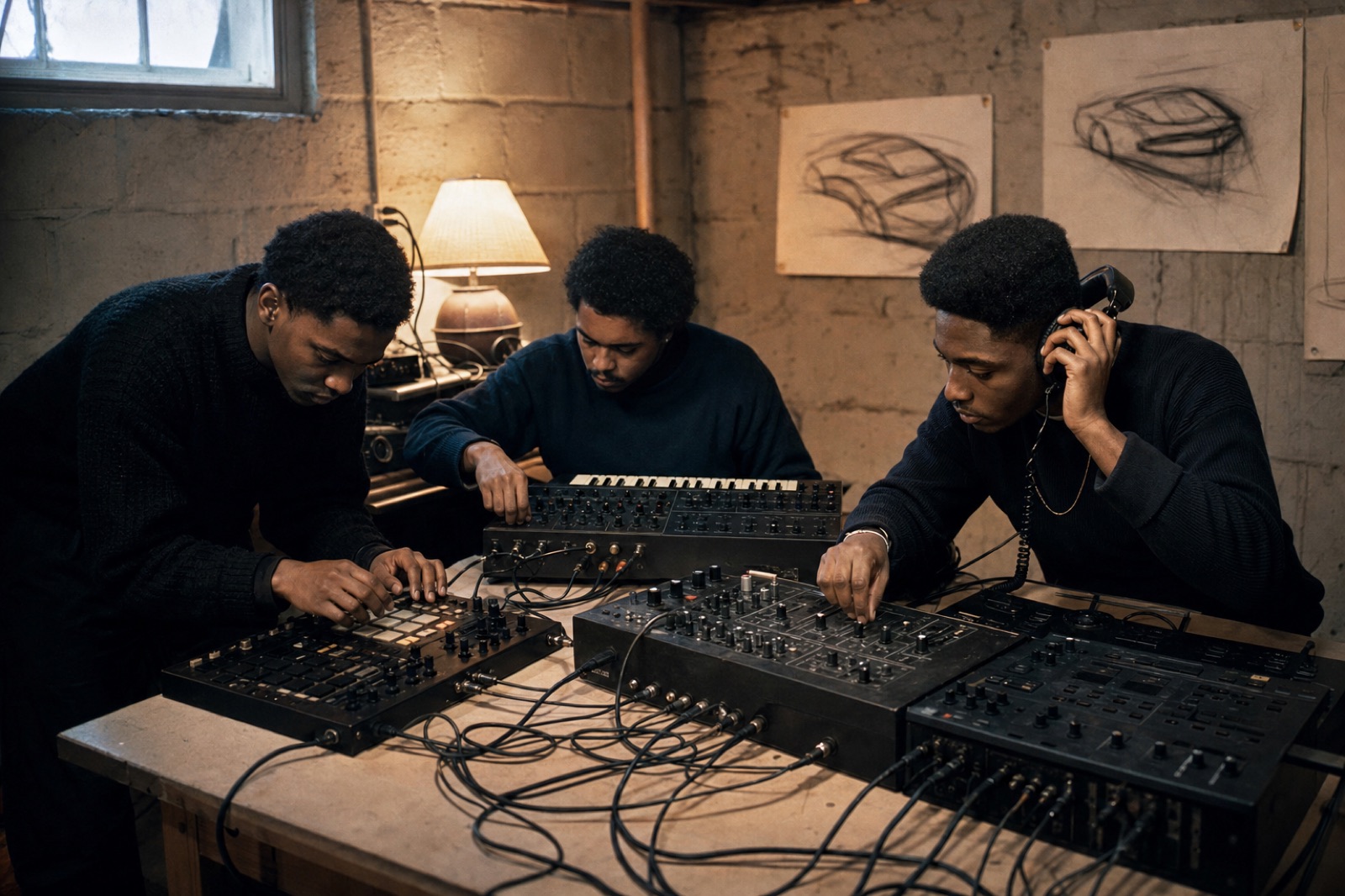
The Carnegie Hall entry is especially useful because it does not separate sound from infrastructure. It says Detroit techno was founded on independent Black entrepreneurship: musicianship and self-education, record labels, record pools, event organizing at night clubs, country clubs, high schools, block parties, and fashion. That list is not background. It is how a genre becomes possible before the world has a category for it. A record label decides what can travel. A record pool decides what DJs hear. A high-school party proves whether a rhythm works outside theory. Fashion tells the crowd how the future wants to look. For festival fans, this changes the listening posture. The sound is not merely equipment. It is a network of people making their own channels. That network also carries community, trust, memory, identity, care, and safety, because scenes survive through people protecting space for one another. When a DJ plays Detroit techno on a giant stage, the lineage includes basement practice, independent labels, radio tapes, event flyers, and young people building taste without waiting for permission.
The Names Are A Doorway
Carnegie Hall names Ken Collier, Stacey Hotwaxx Hale, Magic Juan Atkins, Derrick May, Kevin Saunderson, and Eddie Flashin' Fowlkes among techno's originators. That list broadens the story beyond the familiar Belleville Three frame while still keeping Juan Atkins, Derrick May, and Kevin Saunderson in view. The source also points to queer dance club culture, DJ mentoring, record pools, futuristic and intellectual philosophies, science fiction, and underwater world and space metaphors. Those are not decorative phrases. They explain why Detroit techno can feel like a club record, a thesis, a comic-book vehicle, and a survival plan at the same time. The mistake is treating the genre like three names and a synthesizer. The better approach is to treat those names as doors into a wider city network. Follow the mentors, parties, labels, dancers, and concepts. The music gets bigger, and the myths get less lazy. The credits are the map.
Radio Made Futurism Public
Detroit techno would be harder to understand without radio. Carnegie Hall identifies Charles "the Electrifying Mojo" Johnson and The Wizard, Jeff Mills, as instrumental in getting techno on Detroit airwaves. Mojo's Midnight Funk Association turned broadcasting into a citywide ritual, mixing styles and using theatrical calls to gather listeners into an imagined club. The Wizard brought techno, hip-hop, and electro to radio with near impossible mixing speed and eclectic track selection. That matters for a festival listener because radio made private possibility public. A kid could tape a session, replay it, study it, and carry the idea into a basement, car, school party, or record shop. Before algorithmic discovery flattened everything into recommendations, Detroit radio made weird music feel communal. Listen for that in techno sets: the feeling that a signal is calling people into alignment. A great DJ still works like a transmitter when the crowd starts moving as if it heard the same secret.
Records Turned The Signal Into Export
The sound traveled through records, labels, and compilations. Carnegie Hall notes that Atkins, May, Saunderson, and Fowlkes established record labels and released their own productions and music by other Detroit producers. It also names British record collector Neil Rushton and the compilations Techno! The New Dance Sound of Detroit (1988), Techno 2: The Next Generation (1990), and Detroit: Beyond the Third Wave (1995). That export story is important because global techno did not simply wake up in Europe with a fog machine and an attitude. Detroit records moved through shops, DJs, journalists, and dancers who heard a new future in the grooves. For festivals, the practical lesson is to read lineups through labels, track history, and the records doing the work rather than names alone. If a set leans Detroit, look for the records doing the work. A compilation can be a passport, but the hometown still matters.
The Music Institute Proved The Room
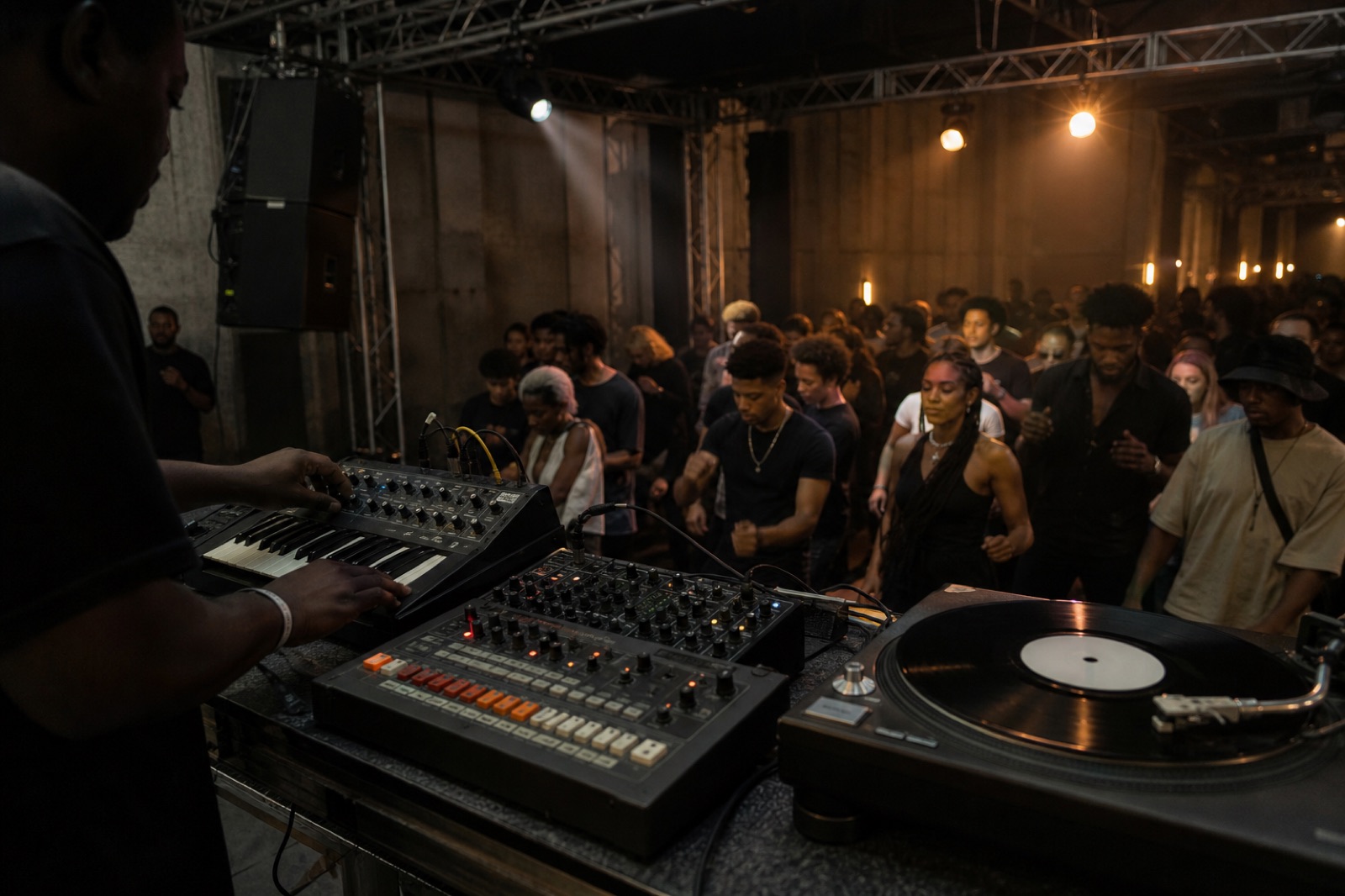
Carnegie Hall places the Music Institute from 1988 to 1990 in the story as a Black dance club in ownership, event promotion, DJs, and club goers. It names Chez Damier, Alton Miller, and George Baker as club owners, with Damier, Miller, Derrick May, D. Wynn, and Kevin Saunderson among regular DJs. That detail gives the genre a room, which every good genre guide needs. Records can travel, but rooms teach records how to behave. The Music Institute becomes a test site where Detroit techno could become social, physical, and local rather than only conceptual. For modern festival listeners, this is the missing bridge. A techno track may feel abstract in headphones, then suddenly make sense when a system, dark room, and patient crowd give it time. The room is part of the instrument. A festival can honor that by giving techno stages enough sound quality, duration, and darkness for the music to show its logic.
Underground Resistance Kept The Politics Loud
Carnegie Hall marks 1990 as the year Mad Mike Banks, Rob Hood, and Jeff Mills formed Underground Resistance, creating dance music about resistance and revolution. It also notes that Mike Banks created Submerge, a recording and distribution company supporting Detroit electronic artists, with Exhibit 3000, a techno museum, housed in its Detroit headquarters. This is where the word underground gets teeth. Underground Resistance was not merely mysterious branding. It was a stance about ownership, Black futurism, technology, and refusal. A festival fan does not need to turn every set into a lecture to hear that weight. Just notice when a record feels like pressure with purpose. Notice when the sound resists easy decoration. Notice when anonymity, label identity, and militant design change how the crowd receives the music. Detroit techno can be sleek, but the sleekness often carries resistance under the surface. The machine has a politics when people build it that way.
Movement Is The Festival Translation
Carnegie Hall connects Detroit techno to festival culture directly. It says Carl Craig led the first Detroit Electronic Music Festival in 2000 with top electronic artists from Detroit and around the world, and that since 2006 Paxahau has maintained and developed the festival now known as Movement: Detroit's Electronic Music Festival. That matters because Movement is not a random brand attached to a plaza. It is a city-scale translation of a local electronic legacy. For fans, the lesson is that festival context can either honor a scene or sand it into lifestyle packaging. Detroit gives the genre a home address, and Movement makes that address public each year. When you hear Detroit techno at any festival, ask whether the booking understands that heritage: local artists, label lineage, sound quality, stage time, and crowd patience. The right festival set should make the music feel rooted even when the stage is far from Detroit.
How The Sound Works
Carnegie Hall's musical-features section gives practical listening clues. Detroit techno is produced electronically with drum machines, synthesizers, samplers, reel-to-reel and other tape recording, editing, playback equipment, and multi-track mixers. It uses bass lines in common 4/4 time, layered rhythmic patterns, analog and digital timbres, and a pulse often between 120 and 150 beats per minute. The source also describes a percussive funk where rhythmic layers and bass parts blend into a successful dance song. That is your festival listening test. Do not wait only for a drop. Find the kick, then the bass line, then the small percussion pattern that changes the room without asking for applause. Listen for timbre: metallic, warm, glassy, rubbery, thin, huge, or ghostly. Detroit techno often moves through small shifts, so the reward goes to the patient body. The groove proves itself by making repetition feel active, physical, and alert.
A Track Map For Festival Ears
Carnegie Hall's examples are useful because they keep the genre from turning into a single texture. Jeff Mills' "Sonic Destroyer," Underground Resistance's "Hi-Tech Jazz," Juan Atkins's "Coochy Coo-En-Core," Mike "Agent X" Clark's "Let Your Love," Terrence Parker's "88 Phat Ivory Keys," Kevin Saunderson's "Vibes of Energy," Aux 88's "We Are the Future" and "Tom Tom Beats," Richie Hawtin's "Silent Intelligence," Theo Parrish's "Heal Yourself and Move," and Carl Craig's "At Les" all point toward different edges of the sound. Some are severe. Some are jazzy, abstract, soulful, fast, sparse, or ambient-leaning. A festival fan can use that spread as homework without becoming unbearable at camp. Pick three before the weekend: one machine-strict track, one melodic or jazz-leaning track, and one deeper house-adjacent Detroit cut. Then listen for how DJs connect those moods in a set. The connections matter more than winning a trivia contest. Use them as ear training.
What To Do At The Stage
At the stage, stand where the low end is clear and the highs are not punishing. Bring earplugs and water because disciplined music can still hit hard for a long time. Give the set ten minutes before judging it. Detroit techno often builds by pressure, not by constant novelty. Watch feet instead of screens. If the crowd starts moving in smaller, more synchronized ways before the big reaction arrives, the groove is working. Track labels and artists after the set: Underground Resistance, Metroplex, Transmat, KMS, Submerge, Plus 8, Planet E, Women On Wax, and whatever the DJ actually played. That follow-up turns a festival moment into a map. Detroit techno rewards curiosity because every name opens another path through radio, labels, clubs, machines, and politics. The stage is only the current room. The sound came from a city that kept building rooms before most of the world knew what to call them.
Quick FAQ
What defines Detroit techno?
Detroit techno is Black electronic dance music rooted in Detroit progressive music, machine funk, synthesizers, drum machines, 4/4 pressure, radio culture, independent labels, and futurist ideas.
Who are key Detroit techno figures?
Key figures include Ken Collier, Stacey Hotwaxx Hale, Juan Atkins, Derrick May, Kevin Saunderson, Eddie Flashin' Fowlkes, Electrifying Mojo, Jeff Mills, Mad Mike Banks, Rob Hood, Carl Craig, and many others.
How should festival fans listen for Detroit techno?
Listen for kick discipline, bass-line motion, layered percussion, synth timbre, restraint, percussive funk, and the way small changes make the crowd move together over time.