Genre Guides
Acid House: The Squelch That Taught Rave How To Find A Field
Acid house was a machine sound, a UK social rupture, a local-scene network, and a genre seedbed that still teaches festival crowds how loops become freedom.
Direct answer
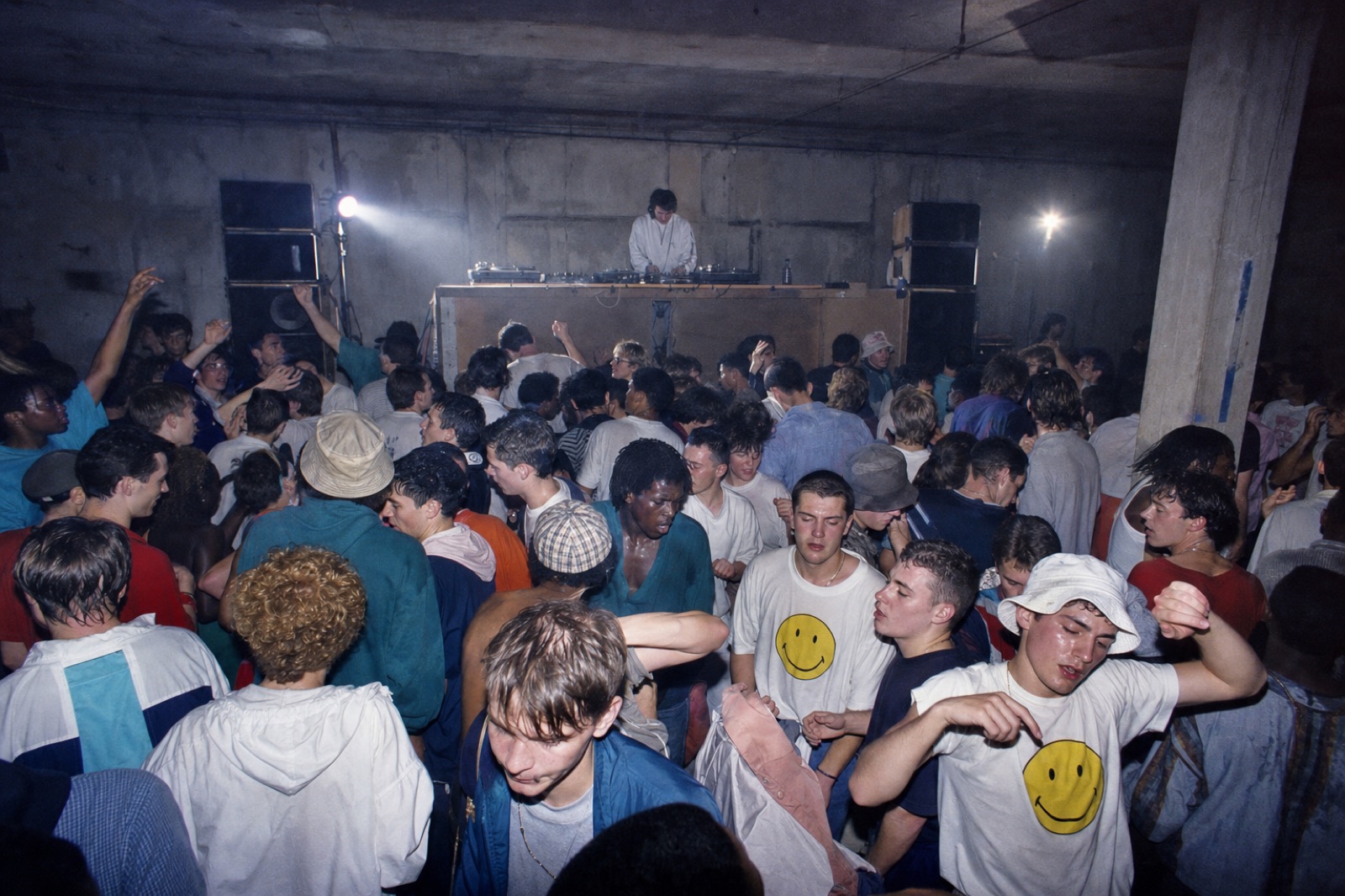
Acid house broke through in the UK in the summer of 1988, when clubs, abandoned warehouses, and fields turned a squelchy machine sound into the Second Summer of Love. The Museum of Youth Culture traces the story through Chicago, Detroit techno, Germany, Ibiza, Shoom, Spectrum, Hacienda, Madchester, Sheffield's bleep city, pirate radio, flyers, sound systems, Akai sampler and Roland drum machine technology, and the genre explosion that followed. For festival fans, acid house means rubbery repetition, collective mischief, and DJ pacing that makes a crowd grin before it knows why.
Watch this topic
Save the related directory search
Track new events, profiles, and calls matching acid house history. The saved watch resolves against the live directory when you open it.
Article-to-directory guide
Keep moving from the article
Use these focused routes to move from the article into live events, talent, and application calls without starting from scratch.
The Sound Is A Machine Grinning
Acid house is easiest to recognize when the bassline seems to be smiling at a bad idea. The classic center is a rubbery, squelching synth line, usually discussed through the Roland TB-303 lineage, riding blunt drums and a groove that refuses to stand still. The sound can feel cheap, nasty, funny, psychedelic, and weirdly friendly in the same bar. That is why it survives. It does not need a giant chorus to announce itself. It mutates. A filter opens, the resonance bites, the loop starts sounding like a cartoon machine discovering nightlife, and the crowd understands the assignment. The Museum of Youth Culture frames acid house as more than a sound, though. In the summer of 1988, the music appeared in clubs, abandoned warehouses, and fields across the UK, and the sound became a social event before anyone had finished arguing about what to call it.
The Second Summer Of Love Was Messier Than A Slogan
The Second Summer of Love is the phrase that stuck to the summers of 1988 and 1989, but the useful version is not a postcard. The Museum of Youth Culture describes rave as an international movement that Britain made its own, with influences from Detroit, Chicago, Germany, and Ibiza. Ecstasy mattered to the story, but reducing the whole thing to a drug discovery makes the culture sound thinner than it was. The deeper change was social: new attitudes around race, sex, gender, bodies, travel, pleasure, and who could share space with whom. Acid house arrived as a before-and-after moment for many people, but it also plugged into older habits of dancing, sound systems, clubs, and illegal parties. That double quality explains the shock. It felt instantly new because the feeling changed so fast. It felt familiar because the underground already knew how to gather. The human stake was trust: strangers had to believe the room could hold joy, risk, sweat, and identity without snapping back into old hostilities.
The Origin Story Refuses One City
Acid house history gets dull when someone tries to pin it to one heroic postcode. The Museum source points toward competing UK origin stories: south and west London Balearic kids around Shoom and Spectrum bringing back the Ibiza blend of European beats and MDMA; faster, harsher eastern scenes; the Hacienda and its transnational role at the center of Madchester; Sheffield's early electro and Chicago house appetite turning it into bleep city; and Birmingham hearing Detroit techno through its own motor-city logic. That disagreement is the point. Rave was global and local at once. It borrowed from African-American dance music such as disco, electro, house, garage, and techno, then moved through British class, football, fashion, pirate signals, clubs, warehouses, and fields. A clean map would lie. Acid house was a network of rooms discovering they were part of the same argument. For festival fans, that means checking a set's local flavor before pretending one acid line explains every city.
Ibiza Was A Stop, Not The Whole Road
Ibiza matters because Balearic culture helped teach British DJs and dancers that a set could be eclectic, blissed-out, and emotionally wide without losing the floor. But the Museum of Youth Culture is careful about making Ibiza the whole origin myth. The rave trail also ran through Germany, where techno became tied to post-unification anti-fascist energy, and through Belgium and the Netherlands, where new beat and production culture helped harden and mutate dance music. Goa trance and psytrance later show how the international circuit kept extending. Acid house is a good reminder that scenes travel badly when stripped of place. A record might cross borders, but the party changes when it hits local law, local drugs, local weather, local fashion, and local resentment. That is why the same squelch could mean holiday freedom, warehouse defiance, northern identity, or a field full of people refusing to go home.
It Was Already Familiar To Older Undergrounds
One of the smartest points in the Museum essay is that acid house took off quickly because it was both new and already familiar. Paradise Garage and the Chicago Warehouse had already shaped ideas about eclectic dance floors, gay club mythology, and DJ-led rooms. UK hip-hop and electro veterans understood DJing and dancing. Free festival and party crews knew how to organize unlicensed outdoor gatherings. reggae and dub sound systems supplied a model for bass, crews, and mobile infrastructure. rare groove weekenders had experience turning temporary spaces into subcultural enclaves. Even indie kids had a wardrobe conversion available: grey and black could become smiley shirts, rainbow hoodies, and dungarees. That matters for festival history because rave did not invent gathering from scratch. It assembled existing underground skills, then added a chemical grin and a machine line that made old tools feel newly dangerous. Listen for that inheritance in today's festival stages: bass as architecture, crews as social glue, and rooms designed for shared memory rather than passive viewing.
The Tools Broke The Pop Song Shape
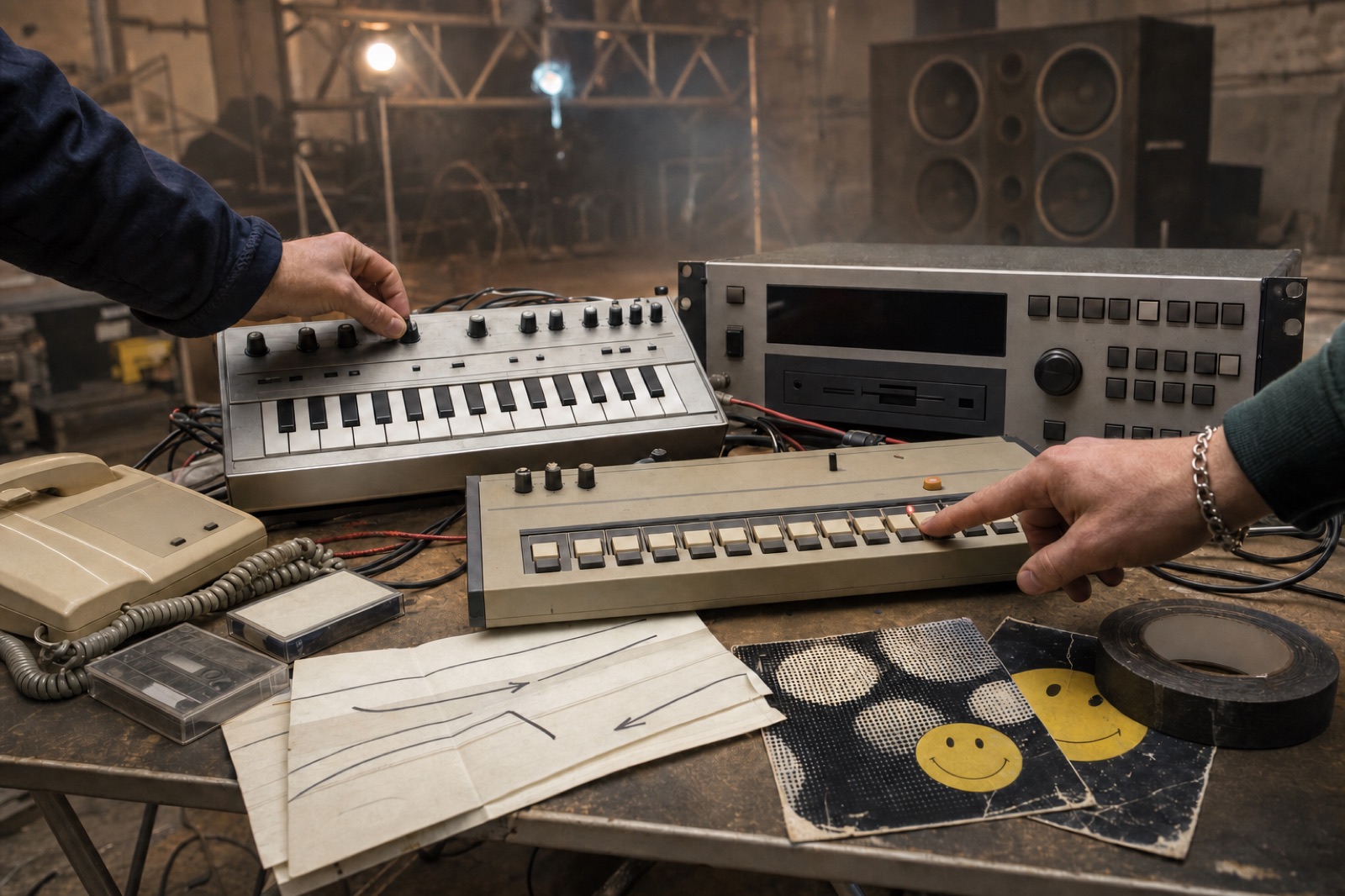
The Museum source names the Akai sampler and Roland drum machine as production technologies that changed what dance music could become. That is the musical revolution under the social one. Acid house and early rave pushed tracks away from classic pop-song storytelling and toward serial effects: loops, stabs, filters, samples, drum patterns, noises, breakdowns, and returns. Any sonic element could become one piece in a larger moving puzzle. Then the DJ re-sequenced those tracks into a longer journey of rise, fall, release, and wrong-footed surprise. This is why acid house can feel minimal on paper and huge in a room. The track may not say much in a lyrical sense, but the DJ can make it speak through timing. A 303 line entering after the right drum record can feel like a door opening in the floor. To hear it clearly, check the filter movement, the drum pattern, and whether the stage mix leaves room for the acid line to bite.
Flyers And Pirate Radio Made The Maze
Acid house did not spread only through records. It spread through clues. The Museum essay points to flyer culture, pirate radio, phone lines, host DJs, guest DJs, microgenre language, turbo sound systems, and 30K lighting rigs. That information network made the culture visible to people who knew how to read it and slightly invisible to everyone else. A flyer could look loud and still be coded. A pirate radio mention could move a crowd without giving the whole game away. The journey to the outdoor rave became part of the ritual: directions, rumors, friends of friends, service-station rendezvous, and the delicious fear that the police or your own navigation would ruin the night. Modern festival apps are easier, but they rarely create that same initiation charge. Acid house made logistics feel like a secret handshake with better bass. The practical lesson is still useful: plan the route, verify the source, protect your ears, and respect the local codes before treating the night like a disposable clip.
The Genre Explosion Was The Aftershock
By the mid-1990s, the unity of acid house had multiplied into a crowded family argument. The Museum source lists Balearic, Italo house, techno, garage, progressive house, breakbeat, hardcore, happy hardcore, gabber, trance, jungle, and drum and bass, with rare groove and soul scenes gaining new life through Gilles Peterson's acid jazz framing. It also points to the rediscovery of ambience, library music, cinematic soundtracks, lounge, and the chill out room as the necessary come-down architecture. That list matters because acid house was a seedbed, not a museum display. Once DJs, producers, dancers, and promoters learned that a scene could split by speed, texture, drug rhythm, and room function, genre became a tool for navigation. The joke is that the culture built freedom, then immediately needed labels so everyone could find the right door. For a festival schedule, those labels help you plan energy: pressure stage, recovery room, sunrise drift, or full-speed sprint.
What Acid House Does At Festivals
At a festival, acid house works best when a set needs mischief. It is rarely the most emotionally noble tool in the box. It is better than that: suspicious, rubbery, communal, and faintly ridiculous in a way that makes people less self-conscious. A DJ can use acid to reset a crowd after melodrama, darken a house set without killing momentum, or turn a tent into a grin factory after midnight. The sound wants a system with enough midrange bite to let the squelch talk and enough low end to keep the loop physical. It also wants patience. If the DJ throws acid in as a novelty, it becomes a cartoon noise. If they let it build, the line starts acting like a character. People stop waiting for the chorus and start listening to the machine misbehave. The stage plan matters too: acid works better when lights, volume, and crowd density create trust instead of glare.
How To Listen Without Becoming The Subgenre Police
The useful listening test is simple. First, find the drum grid: is it pushing straight, swinging loose, or stomping harder than the room expected? Second, find the acid line: does it mutate through filter movement, resonance, envelope shape, and repetition, or does it sit there like a toy on demo mode? Third, notice what the DJ does with time. Acid house is powerful because small changes become social signals. A tweak can make people lean forward. A delayed drop can turn impatience into laughter. A filter opening can make the crowd feel as if it discovered the next bar before the record did. That is why acid house still matters for EDM festival fans. It teaches the ear to value pressure, texture, and collective timing over constant new information. The squelch is funny. The discipline underneath it is serious. Check one acid track before the festival, listen for the line during the set, and notice how your body learns the joke before your brain names the genre. That tiny recognition is the reward: you stop chasing labels and start hearing decisions clearly.
Quick FAQ
What is acid house?
Acid house is a dance-music style centered on squelchy, mutating synth basslines, blunt drum-machine grooves, and the UK rave culture that exploded around the sound in the summer of 1988.
Why was acid house called the Second Summer of Love?
The phrase refers to the summers of 1988 and 1989, when acid house and rave culture reshaped UK nightlife through clubs, warehouses, fields, ecstasy culture, new social mixing, and a sense of collective freedom.
How should festival fans listen for acid house?
Listen for the drum grid, the mutating acid line, filter movement, patient repetition, and the way the DJ uses small changes to make the crowd move together.