EDM History
Detroit Techno Was Futurism With Rent Due Monday
Detroit techno told through Black futurism, radio imagination, drum machines, labels, the Belleville Three, Underground Resistance, and the festival legacy of machine funk.
Direct answer
Detroit techno is electronic dance music built from Black musical imagination, industrial city pressure, radio futurism, and affordable machines turned into motion. Juan Atkins, Derrick May, Kevin Saunderson, and the wider Detroit network made technology feel soulful, disciplined, and forward-facing. For festival listeners, the sound is less about darkness by default and more about machine funk, restraint, tension, and the belief that repetition can carry escape.
Watch this topic
Save the related directory search
Track new events, profiles, and calls matching Detroit techno history. The saved watch resolves against the live directory when you open it.
Article-to-directory guide
Keep moving from the article
Use these focused routes to move from the article into live events, talent, and application calls without starting from scratch.
The Future Had Bills
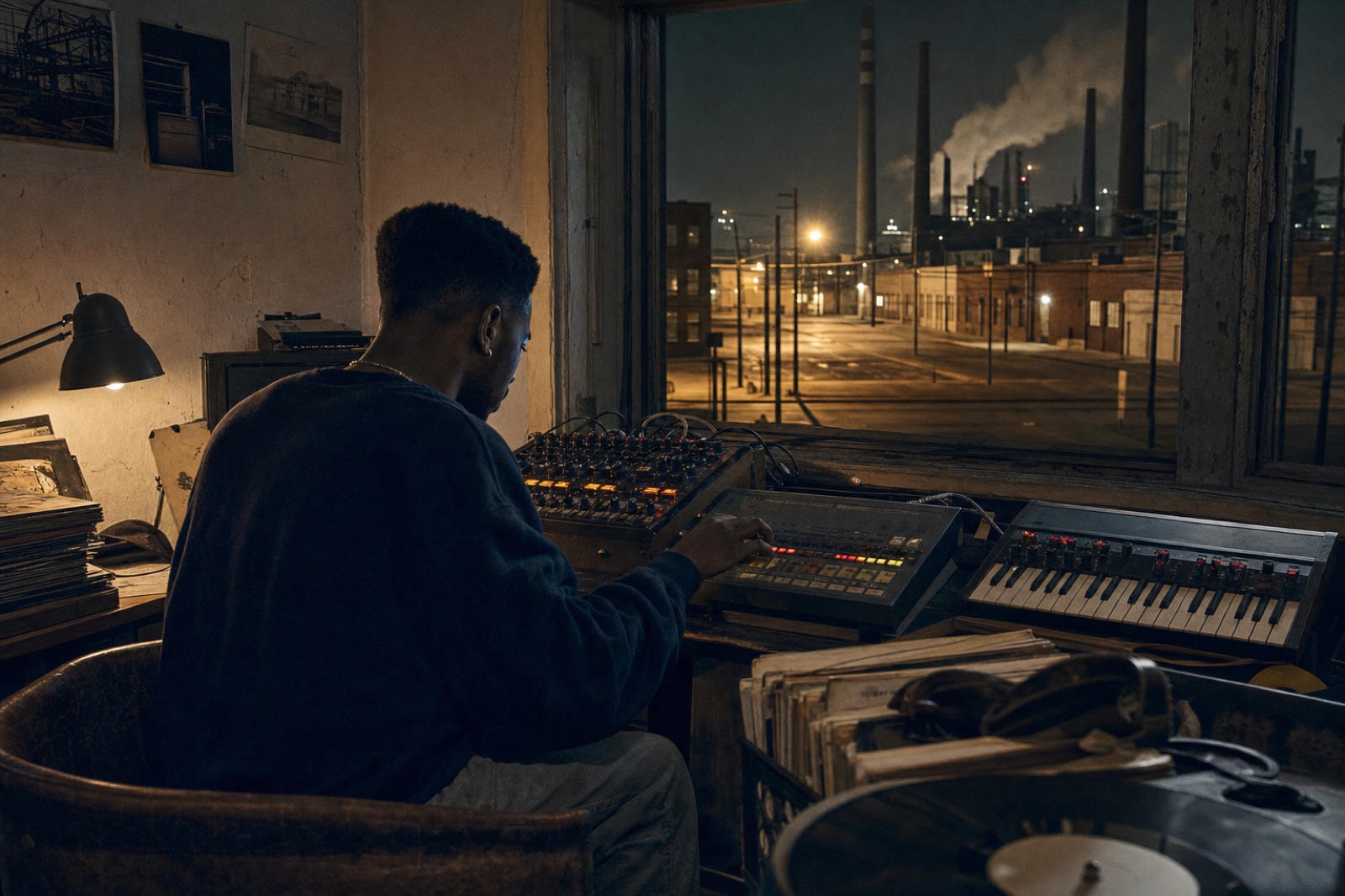
Detroit techno is often described as futuristic, but the future in question was not floating above real life. It had rent, factories, radio, cars, suburbs, city pressure, record stores, and teenagers staring at machines as if they might open a door. Carnegie Hall's Timeline of African American Music frames Detroit techno through Black innovation, labels, clubs, radio, and the Belleville Three lineage. That matters because the sound was never simply a gadget story. Machines were tools, but imagination did the driving. The music took drum-machine discipline, synth clarity, and science-fiction mood, then ran them through a city where industry had already taught people that machines could sound powerful, cold, graceful, and wounded at the same time. That tension is the beauty: Detroit techno hears pressure and builds motion rather than surrendering to it. When you listen at a festival, keep that city pressure in mind; it changes a loop from background rhythm into a human decision.
Radio Made The Room Bigger
Before many listeners found techno through festivals, Detroit heard the future through radio. The Electrifying Mojo is central to the mythology because his broadcasts connected funk, new wave, European electronics, Prince, Parliament, Kraftwerk, and records that made genre borders feel flimsy. Radio gave young producers a wider sky. It told them that a Black American city could speak to outer space, factories, dance floors, and late-night bedrooms without asking permission from one format. That is a key Detroit lesson for EDM fans: scenes grow when ears get stretched before careers get organized. A DJ on the radio can change what a teenager thinks is possible. A weird record at the right hour can become permission. Detroit techno's futurism came from hearing beyond the local while still carrying the local in every kick. Track the references inside a set; the strange blend of funk, electronics, and machine rhythm is part of the route map.
The Belleville Three Are A Doorway, Not The Whole House
Juan Atkins, Derrick May, and Kevin Saunderson are the names most fans meet first, and for good reason. Atkins, through Cybotron and Model 500, helped define an electro-techno language of clean lines and machine identity. May brought drama, elegance, and emotional lift. Saunderson pushed techno and house ideas toward wider crossover through projects including Inner City. But a responsible history treats the Belleville Three as a doorway, not the entire house. Detroit techno also means labels, crews, DJs, dancers, engineers, party networks, and later movements that kept the machine speaking after the origin story got tidy. The New Yorker has covered debates over techno's origins and recognition, which is a useful reminder that credit matters. A genre this influential should not be reduced to three names and a poster font. Check who gets named on the flyer, then ask which wider network made the name possible.
What The Machines Actually Did
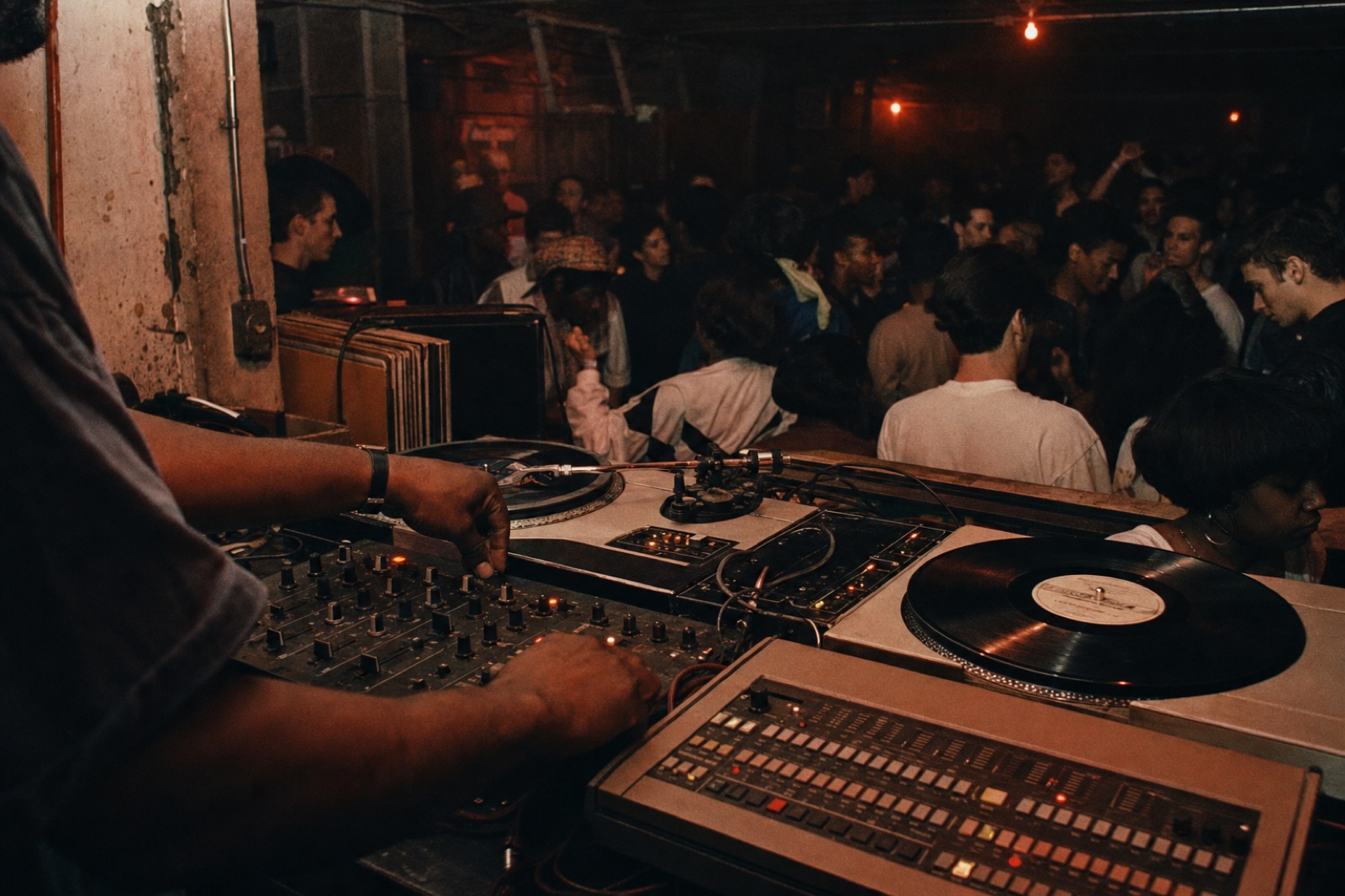
The machines gave Detroit producers a way to make pressure precise. Drum machines could hold a pattern without fatigue. Sequencers could repeat a phrase until tiny changes felt enormous. Synths could sound sleek, lonely, metallic, romantic, or stern depending on who touched them. The point was not to remove humanity. The point was to place human choice inside disciplined motion. Listen to early Detroit techno and notice how often restraint does the work. A hi-hat enters and the room sharpens. A bass note repeats until it becomes architecture. A chord appears like weather over concrete. Festival fans sometimes mistake techno minimalism for emptiness because they expect constant drops. Detroit teaches the opposite lesson: if the loop is alive, repetition becomes suspense, not filler. Test that at a stage by watching whether one small percussion change moves the crowd before the obvious peak arrives. The machine matters because a person made it behave with taste.
Machine Funk, Not Generic Darkness
Detroit techno gets flattened when people describe it as merely dark, hard, or cold. Some records are severe, sure. Many are elegant, funky, strange, or quietly emotional. The phrase machine funk helps because it keeps the body in the machine. The drums lock, but the groove still leans. The synth line may feel chrome-plated, but the phrasing can carry longing. The best Detroit records do not ask dancers to admire technology from a distance. They make technology sweat. That is why the music can work at festivals without becoming mainstage bombast. It gives a crowd something to inhabit over time: a groove with discipline, a future with bass weight, a feeling that escape may be engineered one bar at a time. Bring patience, water, and ears ready for motion that builds by pressure instead of fireworks. If the room starts moving smaller before it moves bigger, the funk is probably working.
Labels Turned Sound Into Infrastructure
Techno did not travel by vibe alone. Labels and collectives made the sound legible and portable. Metroplex, Transmat, KMS, Underground Resistance, and related Detroit networks turned records into messages that could move through shops, DJs, and international scenes. Underground Resistance is especially important for understanding techno as more than sleek futurism. It carried militancy, anonymity, Black resistance, and a refusal to let the music become lifestyle decoration with the politics sanded off. For festival listeners, label history is useful because it explains why a techno set can feel serious without being joyless. The record works as a tool for dancing and as a statement about ownership, pressure, and who gets to imagine the future. Mark those labels when you dig; they turn a streaming search into a map of choices and values. That map helps a festival fan hear lineage instead of isolated bangers and branding.
Why Europe Heard It Loudly
Detroit techno became global partly because Europe listened hard. The music found enthusiastic audiences in the UK, Germany, Belgium, the Netherlands, and beyond, where clubs, labels, and ravers treated the sound as a blueprint for new rooms. That international embrace created opportunity and distortion. Detroit artists gained stages and influence, while the story sometimes got retold with European scenes placed too close to the center. A careful festival fan can hold both facts at once. Berlin, London, and other cities helped techno scale. Detroit gave the music a crucial language before many of those global rooms knew what to do with it. When a festival books techno now, the lineage in the kick often runs back through Detroit whether the marketing copy remembers or not. Verify the route before repeating the myth; global popularity should widen credit, not move it. Good history keeps the passport stamps without losing the hometown address.
How To Hear It At A Festival
At a festival, Detroit-rooted techno rewards patience. Do not judge the set only by the first huge moment. Listen for how the DJ handles tension over ten minutes: which percussion elements enter, whether the bassline tightens the room, how long a loop is trusted, and whether a synth phrase changes the crowd's posture. Watch feet, not phones. If dancers stop waiting for a drop and start living inside the groove, the set is working. Earplugs matter because disciplined music can still be punishing on a large system. Water matters because hypnotic sets make time behave badly. The practical fan plan is simple: arrive ready to listen, protect your hearing, and give the groove enough time to reveal its architecture. Check the schedule for longer sets; Detroit logic often needs room to stretch. Stand where the low end is clear instead of chasing the loudest corner.
The Common Mistake
The common mistake is treating Detroit techno like a museum label or a costume for seriousness. The music is not homework. It is dance music with memory, tension, and a sharp sense of possibility. It can be cerebral and physical in the same bar. It can sound like industry, outer space, church shadow, streetlight, and midnight highway without needing to explain itself. Fans also make the opposite mistake by chasing only famous origin names and ignoring the wider network. Better listening starts with respect and curiosity. Learn Atkins, May, and Saunderson. Then follow Jeff Mills, Robert Hood, Carl Craig, Underground Resistance, Drexciya, DJ Minx, Stacey Pullen, and the many Detroit-linked paths that complicate the postcard. That follow-up turns a famous story into a living listening plan. It also keeps credit from shrinking into trivia. The music deserves curiosity that keeps moving after the first three names.
A Field Listening Checklist
Before a Detroit-rooted techno set, make a practical plan. Check the schedule and choose a slot long enough for tension to build. Bring water and earplugs. Listen for the kick, hi-hat, bassline, synth phrase, and the first small change that makes the crowd lean forward. Watch whether the DJ trusts a loop or rushes toward impact. Track one label or artist after the set so the history keeps expanding. If the room feels restrained at first, give it time. Detroit techno often works like a city grid at night: plain lines, hidden heat, and a pattern that feels deeper once you stop asking it to decorate itself. Stand where the system is clear, keep your phone down for a few minutes, and let the room teach you how much information can hide inside repetition. Afterward, save the tracks or labels you heard; that small habit turns a good set into a better map.
The Festival Takeaway
Detroit techno matters because it proves electronic music can be futuristic without floating away from human stakes. It can use machines without worshiping machines. It can make repetition feel like pressure, elegance, resistance, escape, and discipline. At festivals, that legacy is a useful antidote to spectacle fatigue. A Detroit-rooted set may not beg for attention every eight bars. It may ask the crowd to commit, listen, and let small changes become large. That is a different kind of generosity. The reward is a dance floor that feels less like a fireworks display and more like a system coming alive around the body. The future still has bills, but for a few minutes, the groove makes room to breathe inside them. Plan the route to the stage, bring water, protect your ears, and stay long enough for the machine funk to do its quiet work. The patience is the price of admission, even when the wristband says otherwise.
Quick FAQ
Who are the Belleville Three?
The Belleville Three are Juan Atkins, Derrick May, and Kevin Saunderson, three Detroit-area artists central to the early development and global recognition of Detroit techno.
What does Detroit techno sound like?
Detroit techno often combines drum-machine discipline, synth futurism, machine funk, restrained arrangements, and emotional tension carried through repetition.
How should festival fans listen to Detroit techno?
Listen for tension over time: percussion changes, bassline pressure, loop patience, synth phrases, and how the crowd settles into the groove rather than waiting only for drops.