EDM History
The Warehouse, Frankie Knuckles, and the Room That Gave House Its Name
The Warehouse and Frankie Knuckles explained through room culture, extended disco, queer nightlife, DJ technique, Chicago landmark history, and the house groove festivals still borrow.
Direct answer
The Warehouse matters because Chicago house was shaped by a real room, a real crowd, and Frankie Knuckles' ability to stretch disco, soul, gospel, European electronics, edits, and drum-machine pressure into longer communal release. The building later became a Chicago landmark, but the deeper legacy is practical: house music grew from serving dancers who needed a protected room, a patient groove, and a DJ who understood tension.
Watch this topic
Save the related directory search
Track new events, profiles, and calls matching The Warehouse Chicago house history. The saved watch resolves against the live directory when you open it.
Article-to-directory guide
Keep moving from the article
Use these focused routes to move from the article into live events, talent, and application calls without starting from scratch.
A Room Before A Genre
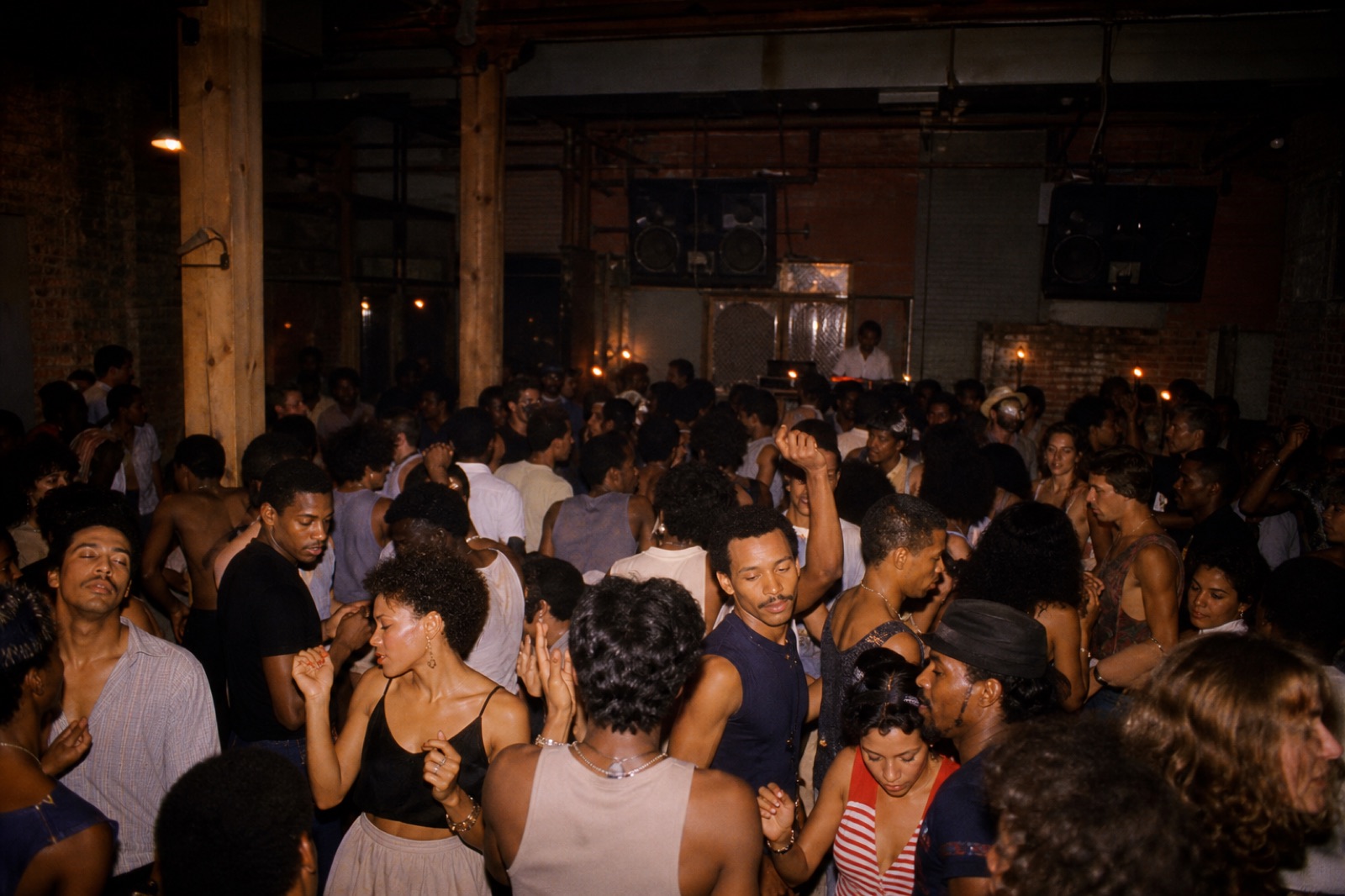
The Warehouse was a room before it was an origin story. That matters because house music did not begin as a logo, playlist category, or festival stage font. It began with people needing a place to dance longer, freer, and closer to themselves than mainstream nightlife often allowed. Chicago's landmark notice recognizes the building's connection to Frankie Knuckles and the development of house music, but the room's power was social before it was civic. A crowd walked in with bodies, desire, risk, style, and private pressure. Knuckles answered with records arranged for more than radio length. The dance floor became a protected machine made of people. For festival fans, that is the first lesson: house is more than a beat pattern. It is hospitality under pressure, engineered through sound. When you hear house at a festival, check whether the set builds that feeling of being hosted.
Frankie Knuckles Served The Floor
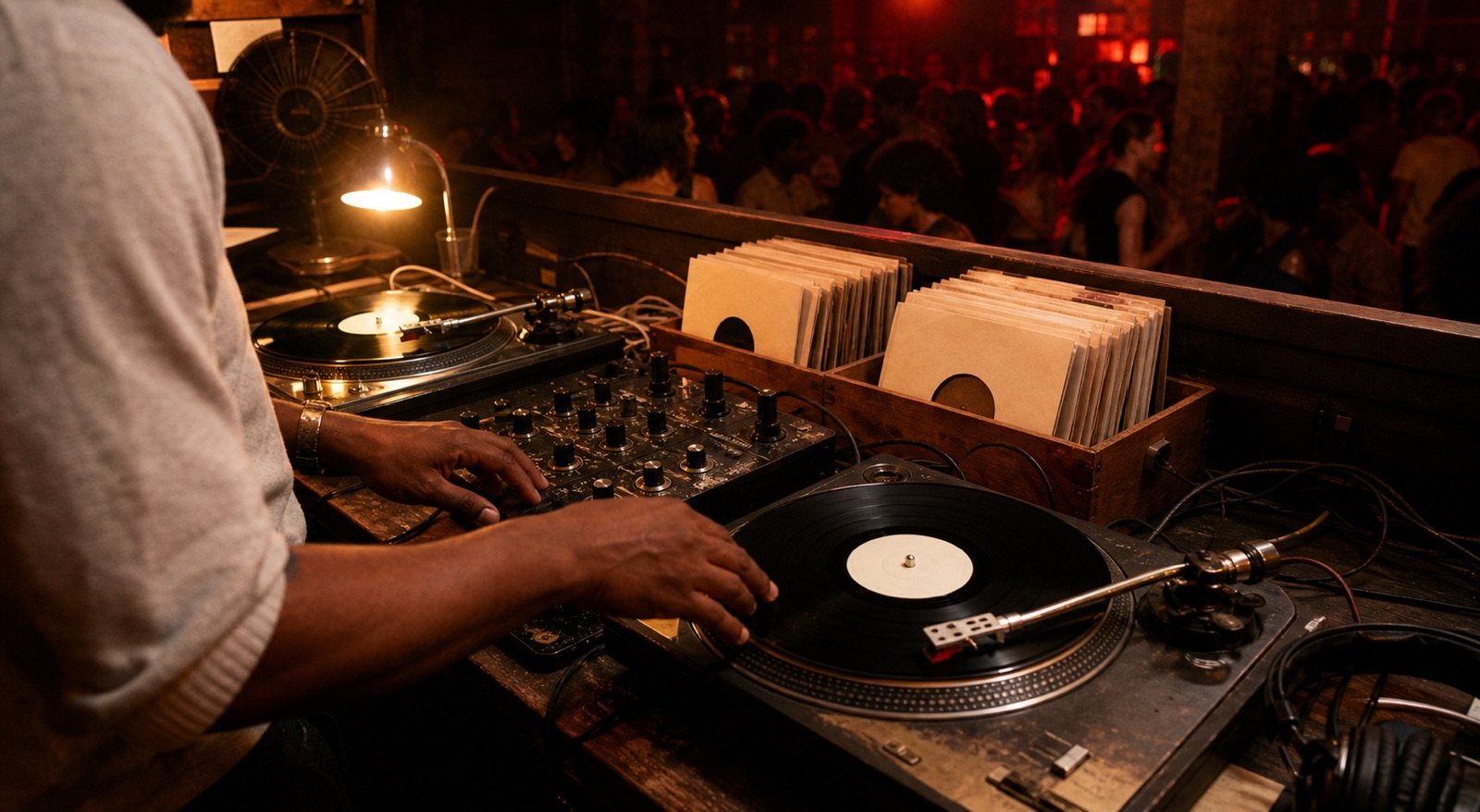
Frankie Knuckles is called the Godfather of House for a reason, but the nickname can make the work sound too distant and royal. His genius was service. He understood dancers as a living system: when to lift them, when to hold them, when to let a vocal open the room, when to make a groove last until the crowd stopped waiting for a chorus and started trusting the pulse. Coming from New York club culture into Chicago, Knuckles carried disco knowledge, soul sensitivity, and the practical discipline of a DJ who knew a room had to be cared for. That care is technical as much as emotional. EQ, edits, blends, drum-machine additions, and pacing become tools when the DJ's first loyalty is to the floor rather than ego. Listen for service in the transitions: the best move often feels generous before it feels clever, and the crowd notices the kindness physically.
The Crowd Was The Co-Producer
House history gets weaker when the crowd becomes background decoration. The Warehouse crowd helped produce the sound by rewarding certain decisions night after night. Longer blends worked because dancers wanted release to stretch. Gospel lift mattered because the room could carry feeling without embarrassment. Bass patience mattered because bodies were already locked in. The floor taught the DJ what could last. That feedback loop is how a room becomes a genre engine. The people were participants shaping pressure, not consumers waiting for a product. In queer, Black, Latino, and allied nightlife contexts, that participation carried stakes. Dance could be pleasure, shelter, flirtation, identity, exhaustion, and survival in the same hour. The kick drum held more than time. At a festival, watch the crowd's shoulders and faces; house reveals itself through social ease, shared timing, and volume with a purpose. The floor is evidence, especially when strangers soften.
What The Sound Actually Did
The Warehouse sound was bigger than four-on-the-floor. The kick mattered, but so did the stretch around it: disco basslines, soul vocals, gospel drama, European synth color, percussion detail, tape edits, drum-machine reinforcement, and the patience to let a record become a world. House can be misunderstood as simple because the pulse is clear. The opposite is true when the DJ is good. A clear pulse leaves room for micro-decisions. A hi-hat opens the ceiling. A vocal phrase becomes a confession. A bassline repeats until strangers agree on the same body language. Festival fans should listen for that generosity. The best house set does not keep shouting for attention. It hosts attention until the room remembers how to move together. Check the bassline, vocal, and hi-hat separately; if all three feel cared for, the groove has roots. Then watch whether the dancers stop waiting for proof.
The Name Traveled Because The Feeling Did
The story of house music's name is often told through The Warehouse, and that connection is part of the mythology. The safer claim is that the club became deeply associated with the sound and with records people connected to that room. Names travel when feelings need a handle. Dancers, DJs, record stores, and local scenes all helped turn a room association into a genre word. That process is messy, which is normal. Dance music rarely comes with clean birth certificates. What matters is that a room-specific way of stretching records, holding bodies, and mixing emotional release became portable. Once the feeling had a name, it could move through Chicago, records, clubs, radio, and eventually festival stages far from the original address. Verify origin claims carefully; a good story can be true in spirit and still need cautious language. The name matters because the feeling kept finding rooms.
Why The Landmark Matters
Landmark status can feel strange for club culture because nightlife is built from things buildings cannot fully hold: sweat, sound, risk, timing, rumor, and memory. Still, Chicago's recognition matters. It says a dance floor can be civic history. It says queer and Black nightlife helped shape the city's cultural architecture. It says a DJ booth and a crowd can matter as much as a more conventional monument. The danger is that preservation turns a living practice into glass. The better use is to let the landmark point back toward behavior. Protect rooms. Credit the communities. Study the technique. Keep the music in motion. A plaque cannot dance, but it can remind a city what dancing built. Use the landmark as a route back to people, not a shortcut around them. A protected address should sharpen the responsibility to protect living rooms too, especially the small ones still taking risks.
How Festivals Borrow The Room
Every festival house set borrows from The Warehouse when it treats repetition as release rather than filler. A DJ on a giant stage still faces the old room problem: how do you make people trust the groove long enough for it to become communal? Bigger speakers do not solve that. Fireworks do not solve it. The solution is pacing, selection, and respect for the floor. House works at festivals when the set creates intimacy at scale: a vocal everyone can enter, drums that keep the body safe, bass that warms rather than bullies, and transitions that make a large field feel hosted. The best festival house moments are not escapes from club history. They are club history translated without losing the invitation. Plan to stay long enough for the set to build; house often rewards the people who stop rushing and start listening together. That patience is practical.
The Mistake Fans Make
The common mistake is treating house as background happiness. Because the groove can feel welcoming, people miss the craft under the welcome. A good house set is not a playlist smiling at you. It is a sequence of pressure decisions. Which vocal arrives now? How long does the bassline stay? Does the kick need weight or air? Is the crowd ready for a classic, or does nostalgia flatten the room? Does the DJ serve dancers or perform serving dancers? These questions matter at festivals because house can become decorative when booked as pleasant daytime motion. The Warehouse legacy asks more from it. Warmth should still have teeth. Joy should still have rhythm architecture. Comfort should still move. Track when the room changes from hearing songs to sharing time; that is where house starts working. If nobody feels held, the groove is only furniture with drums.
How To Hear The Legacy
For a practical listening test, start with the drums and ask whether they feel like a command or an invitation. Then listen for the bassline. Is it carrying the room or merely filling space? Notice the vocal treatment: gospel lift, soul ache, diva release, chopped phrase, or wordless texture. Watch whether dancers turn toward friends. House often works when people stop staring at the DJ and start recognizing one another. Bring earplugs, water, and patience. A real house set may take time to open because trust is part of the arrangement. If the crowd looks hosted rather than conquered, you are hearing the old room logic in a new place. Check the schedule for a set with breathing room, then give your feet enough time to believe it. The payoff may be gradual, which is the point. Let the groove prove itself slowly and warmly.
A Field Listening Checklist
Before a house set, make a small plan. Check the stage, schedule, and sound system. Bring water and earplugs. Listen for the kick, bassline, vocal, hi-hat, and the DJ's patience between records. Watch whether the crowd faces the booth the whole time or starts turning toward each other. Track one classic, one label, or one Frankie Knuckles mix afterward so the room history keeps growing instead of becoming a trivia answer. If a set feels too easy at first, stay a little longer. House often does its deepest work after the crowd relaxes and stops demanding proof every thirty seconds. Mark the moment when a loop stops sounding repetitive and starts feeling generous. That is usually the doorway. Then follow it: find the record, learn the room it came from, and notice how differently the next house set opens. Bring that lesson back to camp.
The Room Still Teaches
The Warehouse still matters because it keeps house music grounded in a human problem: how to make a room feel free without letting it fall apart. Frankie Knuckles' legacy is more than a list of records or a landmark plaque. It is a standard of care. Serve the dancers. Stretch the feeling. Respect the community that made the room necessary. Let technology help, but do not let it replace taste. Festival culture needs that lesson every year as stages get bigger and attention gets thinner. House began by making time feel generous for people who needed somewhere to put joy, fatigue, style, flirtation, grief, and release. A good house set still does that. The room changed size. The job did not. The best festival translation keeps the care audible, the groove patient, and the crowd visible as more than a mass of ticket sales. That is why the old room still feels current.
Quick FAQ
Why is The Warehouse important to house music?
The Warehouse is closely associated with Frankie Knuckles and the development of Chicago house, and Chicago has recognized the building as a landmark for that cultural history.
What should festival fans listen for in house music?
Listen for DJ pacing, extended grooves, vocal release, bass warmth, percussion detail, and whether the set makes a crowd feel hosted rather than rushed.
Was house music only about one building?
No. The Warehouse is a crucial anchor, but house grew through dancers, DJs, record stores, labels, radio, queer nightlife, Black and Latino communities, and many Chicago rooms.