Artists & DJs
Frankie Knuckles Festival Guide: How To Hear The DJ Who Made The Room Feel Cared For
Frankie Knuckles explained as a festival-listening guide through The Warehouse, 206 S. Jefferson St., disco/R&B/gospel roots, Power Plant, Jamie Principle, and patient room care.
Direct answer
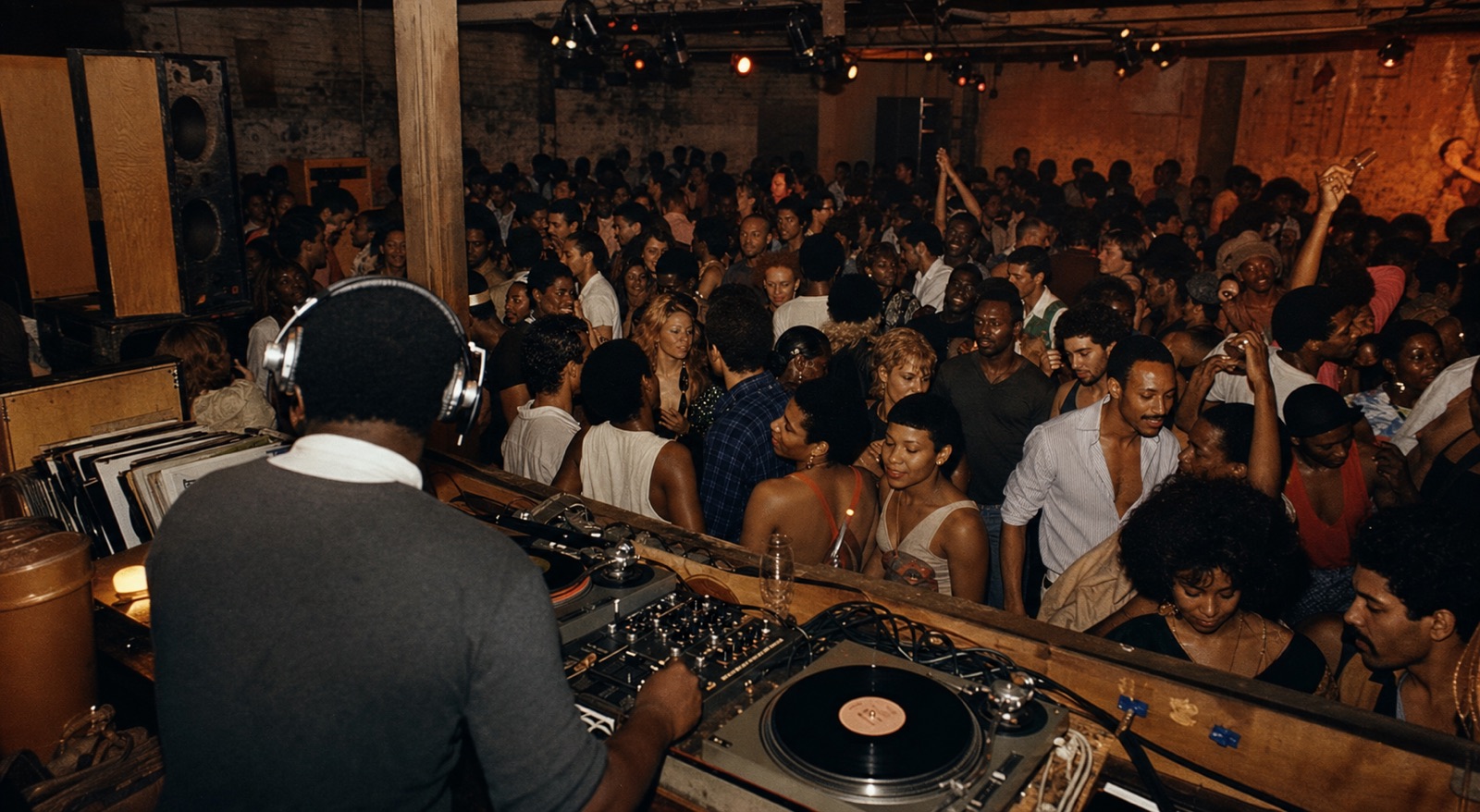
Frankie Knuckles matters to festival listeners because he made DJing feel like room care. The City of Chicago's June 21, 2023 landmark notice identifies The Warehouse at 206 S. Jefferson St. as the birthplace of house music, operating from 1977 to 1982 with Knuckles as resident DJ. Red Bull Music Academy Daily's DJ History interview context connects that room to his New York disco roots, Larry Levan, Power Plant, early Chicago beat tracks, Jamie Principle, and a style built on patience rather than blunt impact.
Watch this topic
Save the related directory search
Track new events, profiles, and calls matching Frankie Knuckles festival guide. The saved watch resolves against the live directory when you open it.
Article-to-directory guide
Keep moving from the article
Use these focused routes to move from the article into live events, talent, and application calls without starting from scratch.
Start With The Room
A Frankie Knuckles festival guide has to start with a room, not a logo. The City of Chicago's June 21, 2023 landmark notice names The Warehouse at 206 S. Jefferson St. as the birthplace of house music and says the dance club operated from 1977 to 1982 with Knuckles as resident DJ. That gives the legend a useful shape: address, years, job, and crowd. Knuckles was not famous because he pressed play on the correct genre. He was trusted because he read a room long enough for dancers to believe the night had a center. For festival fans, that is the first listening test. Does the DJ make a field feel held, or does the set simply throw records at a crowd? Knuckles' legacy belongs in the difference. The room mattered because the room taught the records what they could become. That is why the address still feels musical: it turns a name into a standard of behavior.
The Sound Was Hospitality With A Kick
The City source describes house as drawing from disco, R&B, gospel, and techno, with a driving beat, emotive lyrics, and lush orchestration. Those phrases are practical, not decorative. Disco gives motion and shine. R&B gives ache. Gospel gives lift and group feeling. Techno pressure gives the groove a machine edge. The driving beat keeps people together, but the emotive lyrics and lush orchestration keep the togetherness human. Knuckles understood that a dance floor can be powerful without becoming cruel. Festival house often fails when it keeps the kick and loses the hospitality. A Knuckles-informed set should have warmth with backbone: drums that invite, vocals that matter, bass that holds the room, and arrangements that let emotion breathe. If the crowd starts turning toward friends instead of staring at the screen, the set is carrying part of that Warehouse logic. Listen for generosity in the mix: space around the vocal, patience before the hook, and bass that supports instead of bullies.
Community Was The Engine
The Chicago landmark notice says the sound was embraced by Black and Latinx LGBTQ communities before becoming internationally popular by the end of the '80s. That fact changes how a fan should hear the music. House was not born as a festival utility or a sunny playlist mood. It was developed around people who needed room for joy, identity, flirtation, risk, safety, grief, and release. Knuckles served that need through records. The floor was not background decoration; it was the reason for the technique. At a festival, that means a respectful house set should create social permission rather than anonymous hype. The music can be big, but it should still feel like somebody is tending the room. The standard is not politeness. The standard is care with rhythm, volume, timing, and enough emotional intelligence to let strangers feel less alone. If the set erases the communities that made the feeling necessary, the groove loses part of its truth.
New York Taught The Ear
Red Bull Music Academy Daily's DJ History publication of a 1995 Frankie Knuckles interview places his roots in New York disco culture. Its framing points to The Loft, The Gallery, and Larry Levan before Knuckles headed to Chicago. That lineage matters because he brought a dancer's education with him. The Loft taught audiophile patience and music as communal architecture. The Gallery and early disco rooms taught crowd reading, long blends, and the courage to let songs stretch. Larry Levan's friendship gives the story another axis: two DJs learning how records could organize feeling before their names became shorthand for entire cities. Knuckles did not arrive in Chicago as a blank slate. He arrived with New York's disco grammar and then translated it through a Chicago room that needed its own dialect. Festival DJs should steal that lesson: do not copy history's surface; learn how rooms change the language. The same record can mean one thing in a bathhouse, another in a loft, and another in a warehouse with a new crowd.
Power Plant Kept The Experiment Moving
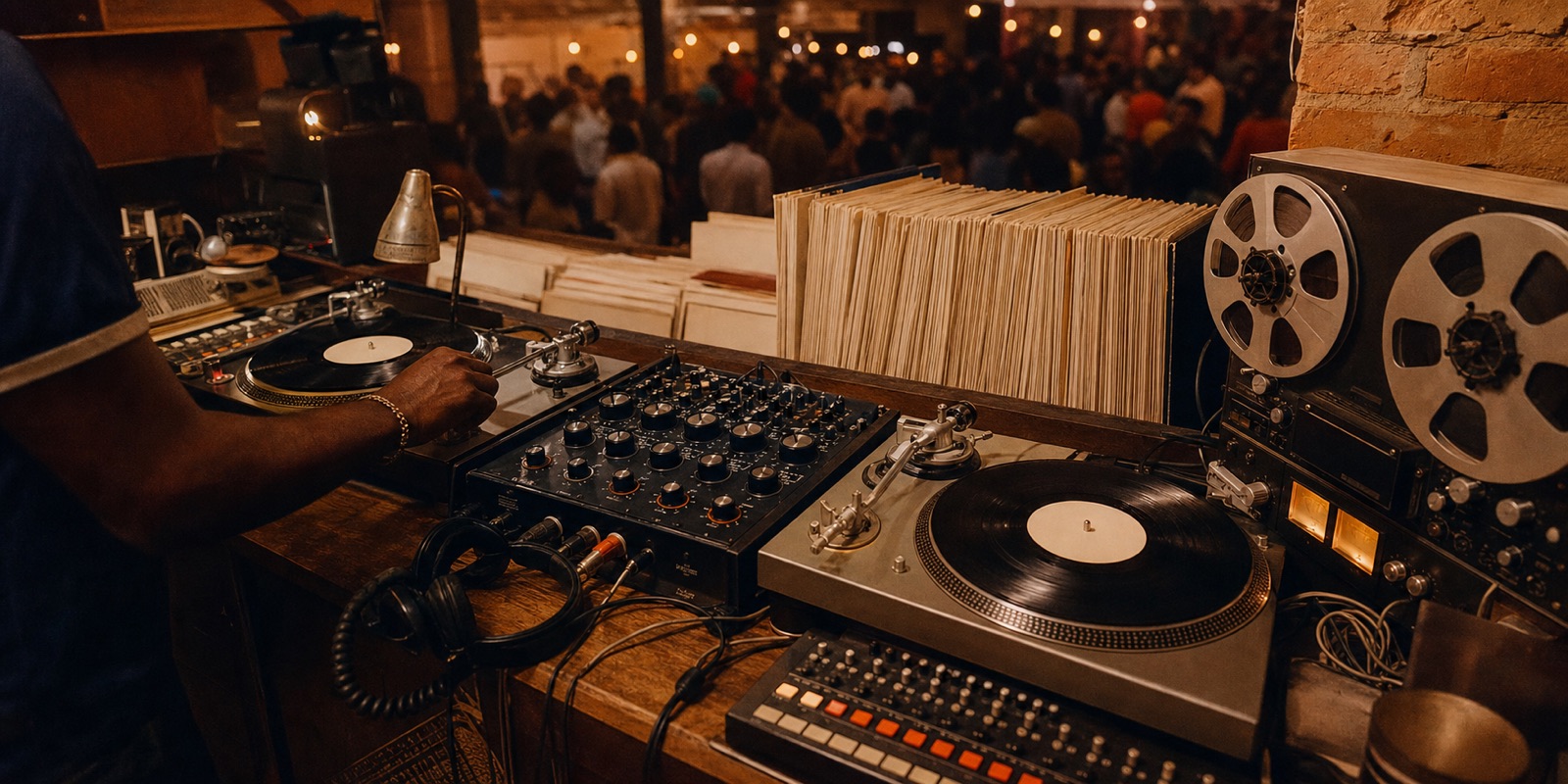
Red Bull's DJ History context notes that Knuckles left The Warehouse in 1982 and opened his own club, the Power Plant. That detail matters because house did not freeze at the Warehouse door. The Power Plant let him keep pushing the sound as Chicago's club ecosystem changed. Red Bull also points to early Chicago beat tracks, stripped-back drum-machine jams that Knuckles folded into sets alongside the records and emotional arcs dancers already trusted. That is the producer-DJ bridge festival fans should notice. A drum machine is not automatically a revolution. It becomes one when a DJ knows where to place it, how long to hold it, and which vocal or bassline can make the machine feel like a room breathing. The best modern house sets still work this way: technology serves the floor, instead of demanding that the floor admire technology. When the machine enters at the right moment, it feels less like gear and more like permission.
Jamie Principle And The Song Inside The Groove
The Red Bull source also points toward the early house tracks Knuckles produced alongside Jamie Principle for labels including Trax and D.J. International. That detail keeps the festival guide from becoming only a DJ-booth story. Knuckles helped shape records that carried feeling as well as function. Songs such as "Your Love" and "Baby Wants to Ride" matter because they show how Chicago house could be spare, emotional, strange, and direct at once. A good festival listener should hear that tension. The groove is practical, but the song is not empty. The vocal can feel intimate even on a huge system. The drum track can be stripped down and still carry drama. When a DJ drops a classic, listen past recognition. Ask what the record does to the room's emotional temperature. Knuckles' best lessons live there, between utility and confession. That is why the old records still work when the crowd is new.
Set Pacing Was The Message
Knuckles' craft was patience with consequences. A festival set that claims his lineage should know how to delay the obvious move. It should let a bassline earn trust, let a vocal open the room, let percussion change the floor without waving a flag over every transition. The easy version of house DJing stacks pleasant records. The better version builds a social climate. Knuckles' reputation comes from the latter. He played for dancers as if the room had memory. That is why a modern fan should track pacing instead of only track IDs. Does the DJ give the crowd time to inhabit the groove? Do transitions feel generous? Are classics used as cheap applause or as part of a longer emotional route? Knuckles made house feel like care because the set moved with the room rather than over it. The highest compliment is simple: the crowd trusts the next record before it knows what it is.
How To Hear Him At A Festival
Use four checks when a festival set leans Frankie Knuckles. First, listen for the vocal: does it carry longing, sweetness, ache, or recognition? Second, listen for the drums: are they driving without becoming stiff? Third, listen for orchestration: strings, pads, keys, and claps should widen the room rather than clog the mix. Fourth, watch the crowd. House in the Knuckles tradition should make strangers loosen, smile, and find a shared pulse. Bring earplugs and water, then give the set time. The first five minutes might feel simple because the foundation is doing quiet work. Stay long enough to hear whether the DJ can turn repetition into welcome. If the group starts moving together without needing spectacle, the lesson is landing. The room care is audible. Check the schedule before the set, pick a meeting point, and stand where the vocal and kick both feel clear. A bad listening spot can make good house sound flat, so move until the groove has body.
What Festivals Often Miss
Festivals often book house as a mood stabilizer: put it before sunset, make it warm, keep it friendly, move people along. That can work, but it undersells the music. Knuckles' version of house was friendly because it had depth, not because it lacked edge. The Warehouse story includes queer nightlife, Black and Latinx community, long nights, new technology, and a city eventually forced to recognize a club building as an official Chicago landmark. A festival that turns that history into generic sunny groove misses the point. The music should be welcoming and serious at the same time. It should know how to host joy without flattening it. Fans can help by listening for craft instead of treating house as background. If the set makes comfort feel earned, the DJ is closer to the source. If it sounds pleasant but weightless, the booking borrowed the smile and forgot the room. Listen longer.
The Practical Takeaway
The practical takeaway is simple: judge a Frankie Knuckles-influenced set by how it treats people. Does the sound system feel warm enough for vocals? Does the DJ pace the room instead of sprinting toward easy release? Does the track selection connect disco, R&B, gospel lift, and machine pressure in a way that feels lived rather than pasted together? Does the crowd become more open, more relaxed, more coordinated, and more willing to sing? Those are festival-useful questions. They help a fan hear beyond the headline name and into the behavior of the set. Knuckles' legacy is not a museum pose. It is a working standard for DJs with large stages and fragile crowds: serve the floor, protect the feeling, credit the communities, and let the record last long enough for strangers to recognize themselves. That is also a planning standard: choose the stage where warmth, time, and crowd space give the music a fair chance. If a clash forces a choice, pick the set with room to breathe over the one with the bigger font.
Quick FAQ
Why is Frankie Knuckles important to house music?
The City of Chicago identifies Knuckles as The Warehouse's resident DJ from 1977 to 1982 and credits him with originating and popularizing house music.
What should festival fans listen for in a Frankie Knuckles-influenced set?
Listen for patient pacing, warm vocals, disco and R&B roots, gospel lift, drum-machine pressure, lush orchestration, and whether the DJ makes the crowd feel cared for.
How did Frankie Knuckles connect The Warehouse to later house records?
Red Bull's DJ History context links his Warehouse and Power Plant work to early Chicago beat tracks and productions with Jamie Principle for labels such as Trax and D.J. International.