Artists & DJs
Ron Hardy And The Music Box: The Loud, Risky Room Festival DJs Still Chase
Ron Hardy explained through Red Bull's Music Box history, Robert Williams' The Party, Pitchfork's Trax/Chicago house context, raw edits, volume, risk, and festival listening lessons.
Direct answer
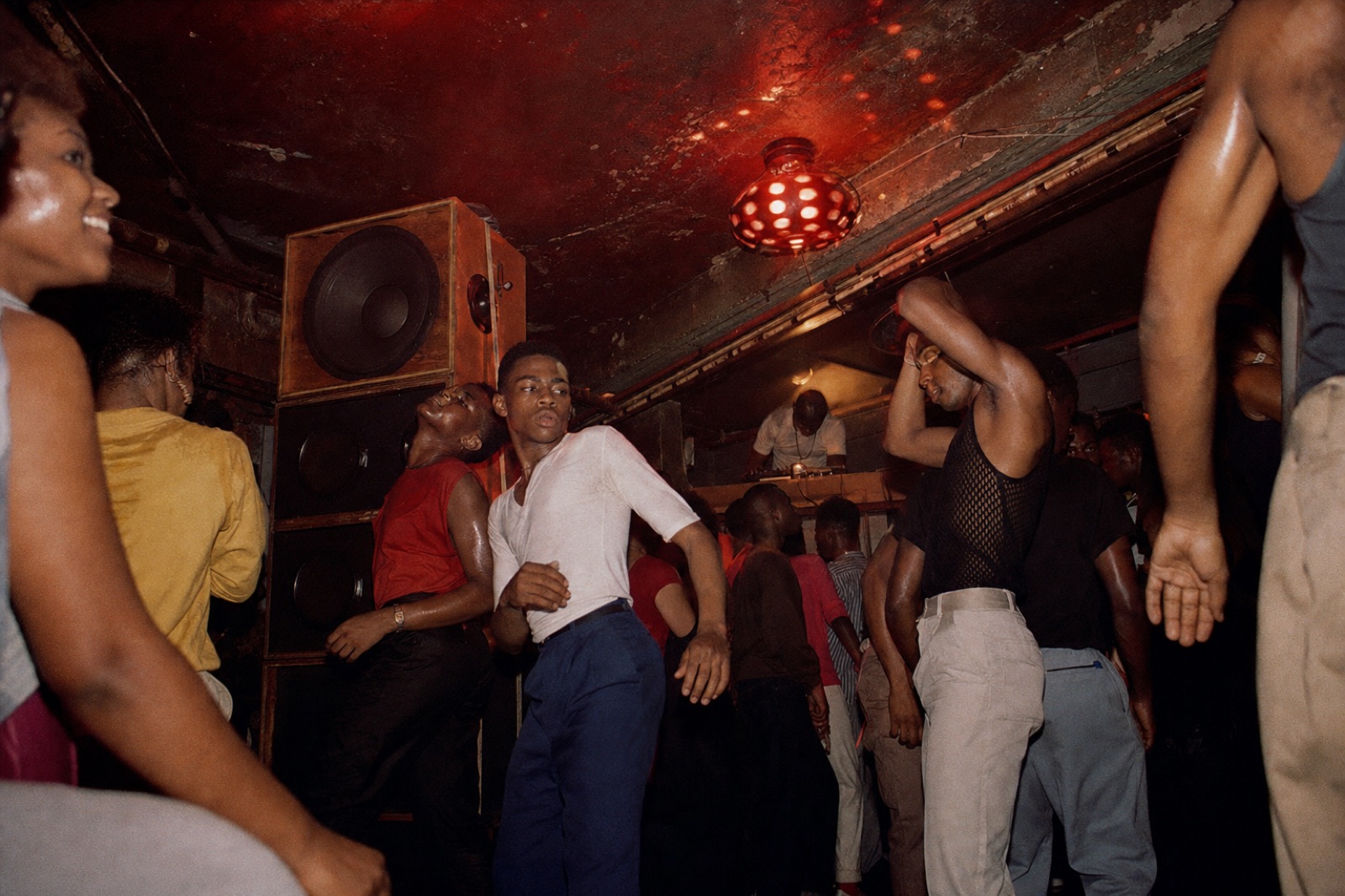
Ron Hardy matters because The Music Box turned Chicago house into a wilder test lab. Red Bull Music Academy Daily's May 18, 2015 Music Box feature connects Hardy to Robert Williams' The Party, valet-style entry, cigarette girls, fruit bar, and a room built for word-of-mouth intensity. Pitchfork's Trax Records review places Hardy's Music Box beside Frankie Knuckles' Warehouse and Power Plant inside early Black and gay Chicago house culture. Festival fans should hear Hardy as risk, volume, edits, and crowd trust pushed close to the edge.
Watch this topic
Save the related directory search
Track new events, profiles, and calls matching Ron Hardy Music Box. The saved watch resolves against the live directory when you open it.
Article-to-directory guide
Keep moving from the article
Use these focused routes to move from the article into live events, talent, and application calls without starting from scratch.
The Other Chicago Lesson
Frankie Knuckles often gives house history its language of care. Ron Hardy gives it a different lesson: danger can be musical when a room trusts the DJ enough to follow. The old source map leaned on Detroit techno, but Hardy's story belongs to Chicago's Music Box and the early house ecosystem around it. Red Bull Music Academy Daily's May 18, 2015 feature, "Ron Hardy at The Music Box," gives the right doorway. The piece frames Hardy through The Party, Robert Williams, and a club culture that moved by rumor, bodies, volume, and risk. Pitchfork's Trax Records review adds the wider Chicago frame: the Warehouse, Power Plant, and Ron Hardy's Music Box helped fill the post-disco dance-floor void for Black and gay Chicagoans. For festival fans, Hardy is the reminder that house was never only smooth. It could be raw, loud, cracked open, and alive. The point is not to choose one Chicago hero. The point is to hear how different rooms made different kinds of courage.
Robert Williams Built An Entrance
Red Bull's source gives Robert Williams an important role before Hardy even touches a record. Williams describes changing the concept of a party: guests did not go to a coat room to check a coat; it worked like a valet, so they went right into the party. He mentions cigarette girls walking around and a fruit bar with trays of fruit. Those details sound almost comic until you think like an organizer. The entrance told people the night had its own rules. The fruit bar told the crowd the party was hosting them, not merely charging them. The room's behavior started before the first mix. Festivals should pay attention. Crowd psychology begins at the gate, the map, the path to water, the first staff interaction, and the way a stage invites people in. Hardy's wildness worked inside a designed social container. Without the container, risk becomes chaos. With it, risk becomes legend.
The Music Box Was A Pressure Cooker
The Music Box matters because it made house physical in a less polished way than the postcard version of Chicago history. Red Bull's feature centers the club as the home where Ron Hardy's reputation grew, and Pitchfork's Trax review places it next to the Warehouse and Power Plant as a core early Chicago house room. The point is not to rank rooms like sports teams. The point is to hear different room temperaments. Knuckles' Warehouse lineage is often described through warmth and service. Hardy's Music Box reputation leans toward volume, tension, and records pushed until they seemed to sweat through the speakers. A festival set inspired by Hardy should not feel reckless in a sloppy sense. It should feel like the DJ is willing to make the crowd work a little for the reward. If every transition is polite, the Music Box ghost is probably outside smoking.
Pitchfork's Chicago Frame
Pitchfork's Trax Records 20th Anniversary Collection review gives a useful Chicago-house frame: early house filled a post-disco dance-floor void with European synth-pop, Philly Soul, funk, Italian disco, spliced sequences, reel-to-reel work, and rhythm tracks. It names Frankie Knuckles' Warehouse and Power Plant alongside Ron Hardy's Music Box, and it stresses the Black and gay Chicago community behind the scene. That is the source-backed correction to generic Ron Hardy prose. Hardy was not simply a wild individual with loud records. He was part of a specific ecosystem where DJs, dancers, labels, producers, and clubs were learning how to make new music from the ruins and leftovers of disco. Trax Records later became part of that story, messy business reputation and all. A festival fan should hear those ingredients inside the sound: not pristine heritage, but invention under pressure. The roughness was historical evidence, not a flaw to polish away.
Risk Was A Technique
The easy way to praise Ron Hardy is to say he took risks. The better way is to ask what kind of risks. A bad risk loses the room because the DJ wants applause for bravery. A Hardy-style risk tests whether the room can be stretched. Faster pitch, rougher edits, odd records, fierce volume, and long tension can all become technique when the crowd has learned to trust the booth. That is why Hardy matters for festival DJs now. Large stages often sand risk down into safe surprise: a famous remix, a fake-out drop, a nostalgic vocal. Hardy's lesson is sharper. Risk should change the room's nervous system. It should make familiar records misbehave and make new records feel slightly dangerous. The practical fan test is simple: did the odd choice deepen attention, or did it merely show that the DJ owns odd records? Real risk leaves the crowd more awake, not merely impressed by the stunt.
Trax, Tapes, And Rhythm Tracks
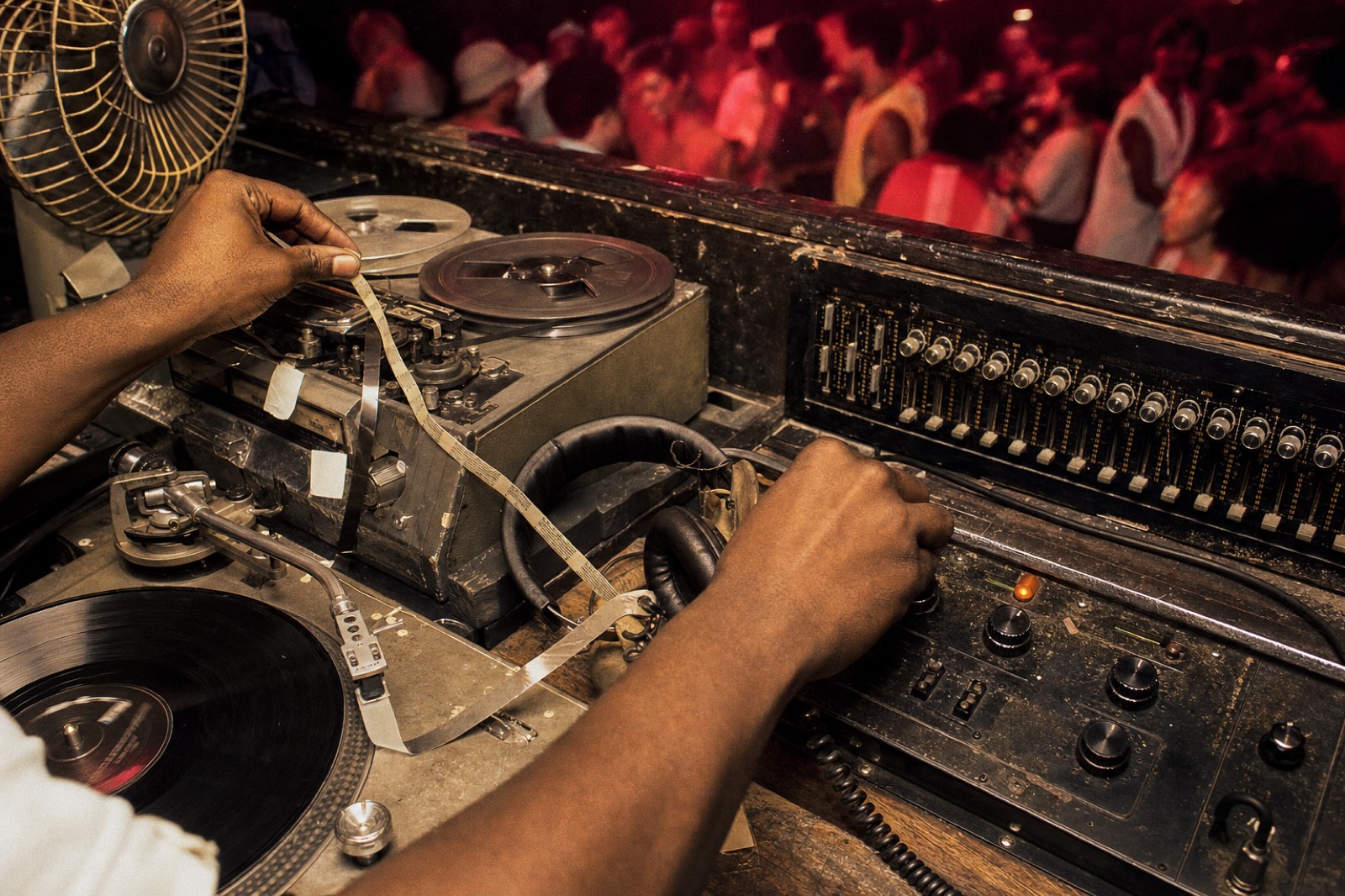
Pitchfork's Chicago-house discussion points toward rhythm tracks and the DIY energy around Trax Records, where early house records could feel minimal, lurching, sensual, gospel-tinged, track-oriented, or song-oriented. Hardy's Music Box is central to that listening environment because a room like that could test raw material before it became canon. A drum pattern that looked skeletal on paper could sound enormous at the right volume. A vocal fragment could become a command. A rough edit could make dancers hear an old record as if it had been rewired. Festival fans should remember that house did not become durable by being perfectly polished. It became durable because rooms proved which imperfections had power. When a DJ plays a raw Chicago track, do not judge it by studio gloss alone. Ask whether the groove makes bodies negotiate with it. Hardy's world was built for that negotiation. The tape hiss, clipped edge, or blunt drum can be part of the argument.
What Festival Fans Should Listen For
Use a Ron Hardy listening test when a set gets raw. First, check the volume, but do not confuse loudness with force. Real force has shape. Second, listen for edits: does the DJ stretch a break, cut a vocal, or loop a moment until the crowd starts leaning forward? Third, watch whether a strange record clears space or kills trust. Fourth, notice the recovery. Hardy's kind of pressure needs release, or the room turns punishing. Bring earplugs because raw house and festival systems can get harsh quickly. Stand where the low end is clear without shredding your ears. If the set makes you a little uncertain and then rewards the uncertainty, you are hearing something closer to the Music Box lesson. The best risk is not random. It is a dare with timing. If nobody around you looks surprised, the DJ may be playing too politely.
How DJs Borrow Hardy Without Cosplay
A modern DJ should not borrow Ron Hardy by pretending roughness alone equals authenticity. Bad sound is still bad sound. Sloppiness is still sloppiness. The useful borrowing is structural: trust the room, test the crowd, let pressure build, and keep enough danger in the set that people have to participate. A festival DJ can do that with modern tools, clean files, and a huge system if the choices have teeth. Use a weird track before the crowd expects one. Let a loop work longer than the social-media edit would allow. Play a classic in a way that changes its job. Then land the release before the risk curdles into punishment. Hardy's legacy is not a costume made of distortion. It is the confidence to treat the dance floor as alert, hungry, and capable of more than polite pleasure. That confidence is earned by listening to the room, not by bullying it.
The Human Stakes
The Red Bull and Pitchfork sources both keep people close to the story: Williams designing The Party, Chicago's Black and gay club community building a post-disco future, dancers telling friends, DJs and labels moving records through rooms. That matters because Hardy's legend can become a cartoon of volume if the people disappear. The Music Box was loud because bodies wanted intensity. It was risky because a community had built enough trust to survive risk. It was influential because producers and dancers could hear which new ideas worked under pressure. Festival culture still needs that lesson. Spectacle can fake danger with screens and pyro, but real musical danger depends on crowd relationship. Does the DJ know who is in front of them? Does the room give people enough safety to follow a strange turn? Without that human base, the wildness is empty theater. The crowd is not decoration in the story; it is the reason the story worked.
The Stage Takeaway
The stage takeaway is practical: use Hardy as a test for whether a festival set has courage and control at the same time. Courage without control is a mess. Control without courage is background music with better speakers. A Hardy-influenced set should have pressure, edits, surprise, rough edges, and enough room knowledge to know when the crowd needs release. Check the schedule for a stage with strong sound and a crowd that came to move rather than pose. Bring ear protection. Stay through the awkward middle if the DJ seems to be building something. Save the records that sound wrong at first and right later. That is often where house history is doing its work. Ron Hardy's Music Box lesson is not that louder is better. It is that trust lets a DJ push harder, and pushing harder can reveal what a room is made of. If the set feels too clean, listen for whether the DJ is avoiding danger or simply choosing a slower fuse. Some risks arrive as abrasion; others arrive as patience, repetition, and the weird record that suddenly makes the tent lean sideways. Hardy teaches the fan to notice both. Leave with one track ID, one question, and one better instinct for when a room is ready to be tested again, preferably before your friends start calling every risky transition a trainwreck.
Quick FAQ
Why is Ron Hardy important to Chicago house?
Ron Hardy was central to The Music Box, a core early Chicago house room that helped test raw edits, rhythm tracks, and riskier dance-floor energy.
How was Ron Hardy different from Frankie Knuckles?
Knuckles is often associated with warmth and room care, while Hardy's Music Box reputation leans toward louder pressure, rougher risk, edits, and a more volatile floor test.
How should festival fans listen for Ron Hardy's influence?
Listen for volume with shape, risky edits, strange records, pressure and release, and whether the DJ stretches the crowd without losing its trust.