EDM News
Major Lazer At Stern Grove Was A Daytime Rave In Civic Clothing
The July 5, 2026 Stern Grove Festival show put Major Lazer's global dance pressure inside San Francisco's free civic-park tradition.
Direct answer
Major Lazer played Stern Grove Festival in Stern Grove Park on July 5, 2026, during the festival's 89th season. The official page listed Diplo, Ape Drums, and Walshy Fire's group with Fijiana, DJ Bad Juuju, and KALW DJ Patrick King Most, plus Doors 12:00pm, Show 2:00pm and a Free GA Lottery from May 24 to May 31. The San Francisco Chronicle framed the day as a civic-park daytime rave, with Mayor Daniel Lurie and America Foster among the public-facing scene details.
Watch this topic
Save the related directory search
Track new events, profiles, and calls matching Major Lazer Stern Grove 2026. The saved watch resolves against the live directory when you open it.
Article-to-directory guide
Keep moving from the article
Use these focused routes to move from the article into live events, talent, and application calls without starting from scratch.
A Rave With Picnic Blankets
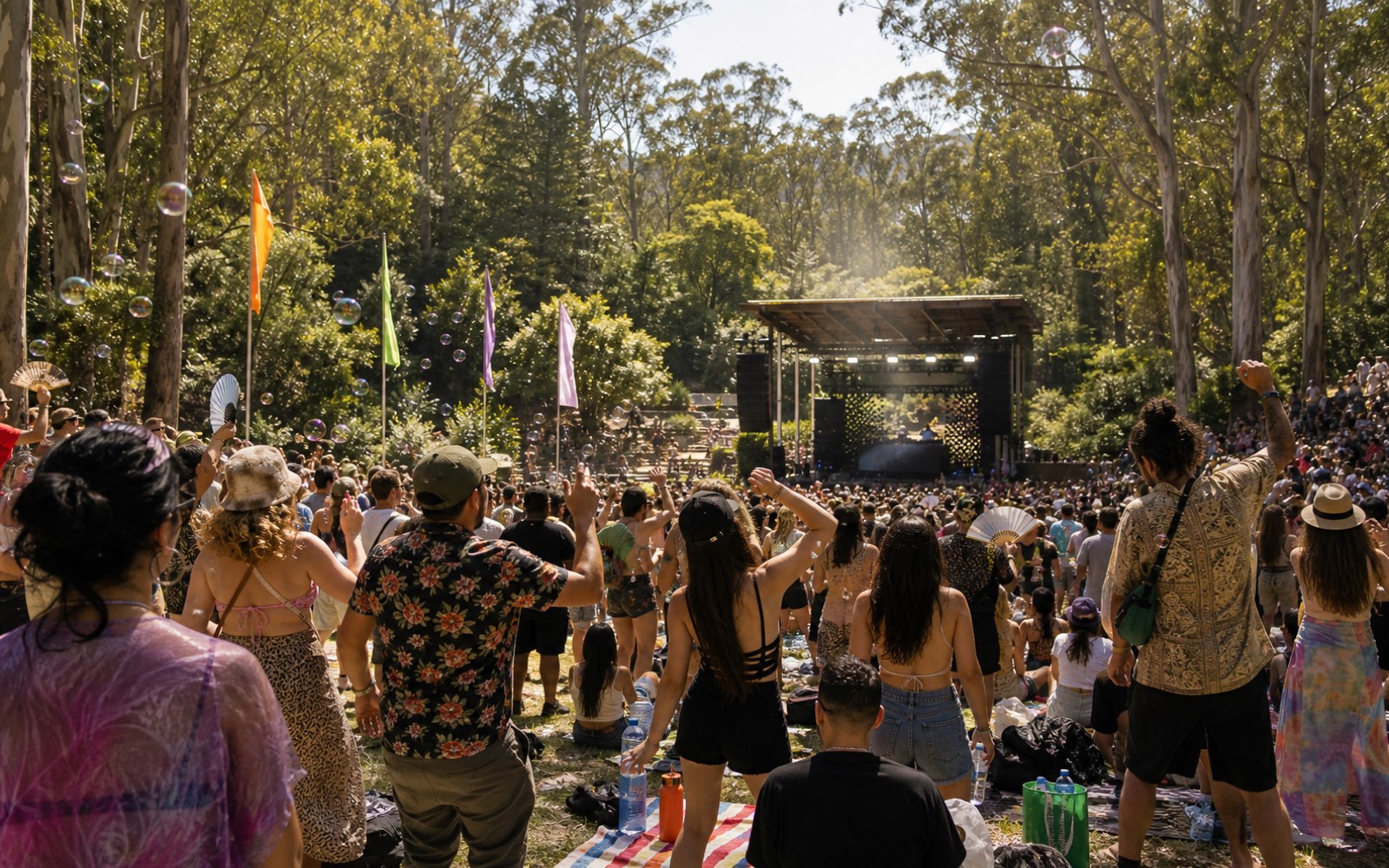
Stern Grove Festival is not a warehouse, and that is exactly why the Major Lazer booking is interesting. The official page placed the show on Sunday, July 5, 2026, inside Stern Grove Park, with Doors 12:00pm and Show 2:00pm. The San Francisco Chronicle treated the afternoon as a daytime rave in a civic park, which is a funny phrase until you picture it: bass culture meeting picnic blankets, trees, fog, families, public transit, and the very San Francisco skill of acting casual while something absurdly loud happens in daylight. Major Lazer usually speaks in heat, carnival pressure, dancehall bounce, global pop hooks, and instructions no shy person can obey. Stern Grove answers with a different kind of stagecraft: a free public amphitheater where the room is made from hillside, eucalyptus shade, neighbors, and the city's long habit of turning music into civic ritual. The confirmed event details turn the scene from a cute premise into a real source-backed update about how EDM behaves outside ticketed nightlife.
The Free Festival Context Matters
Stern Grove calls itself the nation's longest-running free music festival, and the official site frames the 2026 run as the 89th season. That context changes the Major Lazer story. A paid EDM festival can design the crowd through ticket price, branding, and controlled arrival. A free San Francisco institution has to welcome a broader public without losing the point of the booking. The Free GA Lottery ran from May 24 at 10am to May 31 at 10am, which means demand had to be managed before anyone reached the park. That lottery detail is not clerical. It is crowd ethics. Free events still need capacity, access, fairness, safety, and enough trust that people believe the process is not a civic magic trick. When dance music enters that system, the drop belongs to the public square as much as the fan base. It also changes the ticket conversation: the access story is about allocation, timing, and public trust rather than price alone.
Free Access Changes The Crowd
Free access changes who feels invited. A ticketed rave often gathers people who already know the codes: when to arrive, where to stand, how close is too close, which drop is coming, and why somebody is waving a flag with the confidence of a small navy. Stern Grove Festival asks Major Lazer to play for committed fans, curious neighbors, families, civic regulars, and people who came because free Sunday music is part of their San Francisco life. That mix is fragile in a good way. It makes the crowd less predictable and more public. It also raises the bar for care. A strong daytime rave has to create permission without demanding fluency. It should let newcomers move awkwardly, veterans move hard, and everybody else find a place between blanket, path, and speaker. That is harder than selling a ticket, because the room has to teach itself manners while the bass is already moving.
Major Lazer Is Built For Daylight Trouble
Major Lazer's current core is Diplo, Ape Drums, and Walshy Fire, and the project has always been less delicate object than portable weather system. Its sound draws from dancehall, moombahton, pop, soca-adjacent festival energy, bass pressure, and the call-and-response instincts of a crowd that wants clear permission to move. In a club, that permission can arrive through darkness and volume. At Stern Grove Festival, the permission has to work at 2:00pm, with strangers sitting nearby and somebody's aunt possibly guarding a tote bag. That is a harder performance problem than it sounds. Daylight exposes corniness. It also exposes joy. A Major Lazer set works in a park only if the drums make dignity optional without making the space feel hijacked. The best version turns a polite public lawn into a temporary dance floor with better trees. That sound choice is the real lineup risk: it has to invite casual park listeners while still rewarding dance fans who came for pressure.
The Local Support Keeps It From Floating Away
The official bill named Fijiana, DJ Bad Juuju, and KALW DJ Patrick King Most alongside Major Lazer. That matters because a global dance act can land in a city like a spaceship if the local frame is weak. Fijiana brings Bay Area identity into the afternoon, with the official bio tying her to Richmond, CA and the viral lift of Welcome to the Bay. KALW DJ Patrick King Most brings another civic thread: radio, Bay Area DJ culture, remixes, public-media credibility, and a weekly presence on 91.7FM KALW. DJ Bad Juuju adds more local dance-floor language to the day. Those names keep the event from becoming a touring spectacle dropped onto a free stage. They make the park feel like San Francisco is hosting, not merely renting its trees to a festival brand. In public-space EDM, a support lineup is not decoration; it is how the city recognizes itself before the headliner takes over.
The Civic Cameo Is Part Of The Point
The Chronicle's scene frame included San Francisco Mayor Daniel Lurie and America Foster, a detail that would feel strange in a basement rave and completely logical at Stern Grove. Public-space music always has a civic shadow. It asks who gets welcomed, who pays, who manages safety, who handles neighbors, who benefits from the memory, and whether the city can still gather without turning every shared moment into a luxury purchase. EDM people sometimes treat official attention as proof the underground has been declawed. That can be true, but it is not the whole story. A free public concert also tests whether dance music can behave generously at city scale. When a mayor shows up around a daytime rave, the awkward question is useful: can bass music remain unruly enough to matter while becoming public enough to be trusted? Reported civic attention makes the event more accountable, not automatically less fun.
Sound Changes When The Sun Is Out
A daytime Major Lazer set has to pace the body differently. At night, a drop can hide behind darkness, smoke, and the crowd's willingness to abandon language. In the afternoon, the drums need swing, humor, and immediate physical clarity. Dancehall bounce and chant-ready hooks help because they give casual listeners an easy way in. The risk is overstatement: too many commands, too much cheerleading, too little groove. Stern Grove's setting rewards records that can travel across a hillside without becoming a blunt object. The best sound for this situation has bass weight, but it also leaves room for clapping, laughing, children wandering past, older fans watching from blankets, and people who came for the free civic experience rather than the EDM resume. That mixture is the show. The production has to read as invitation first and spectacle second, which is harder than simply making the stage loud.
The Logistics Are The Culture
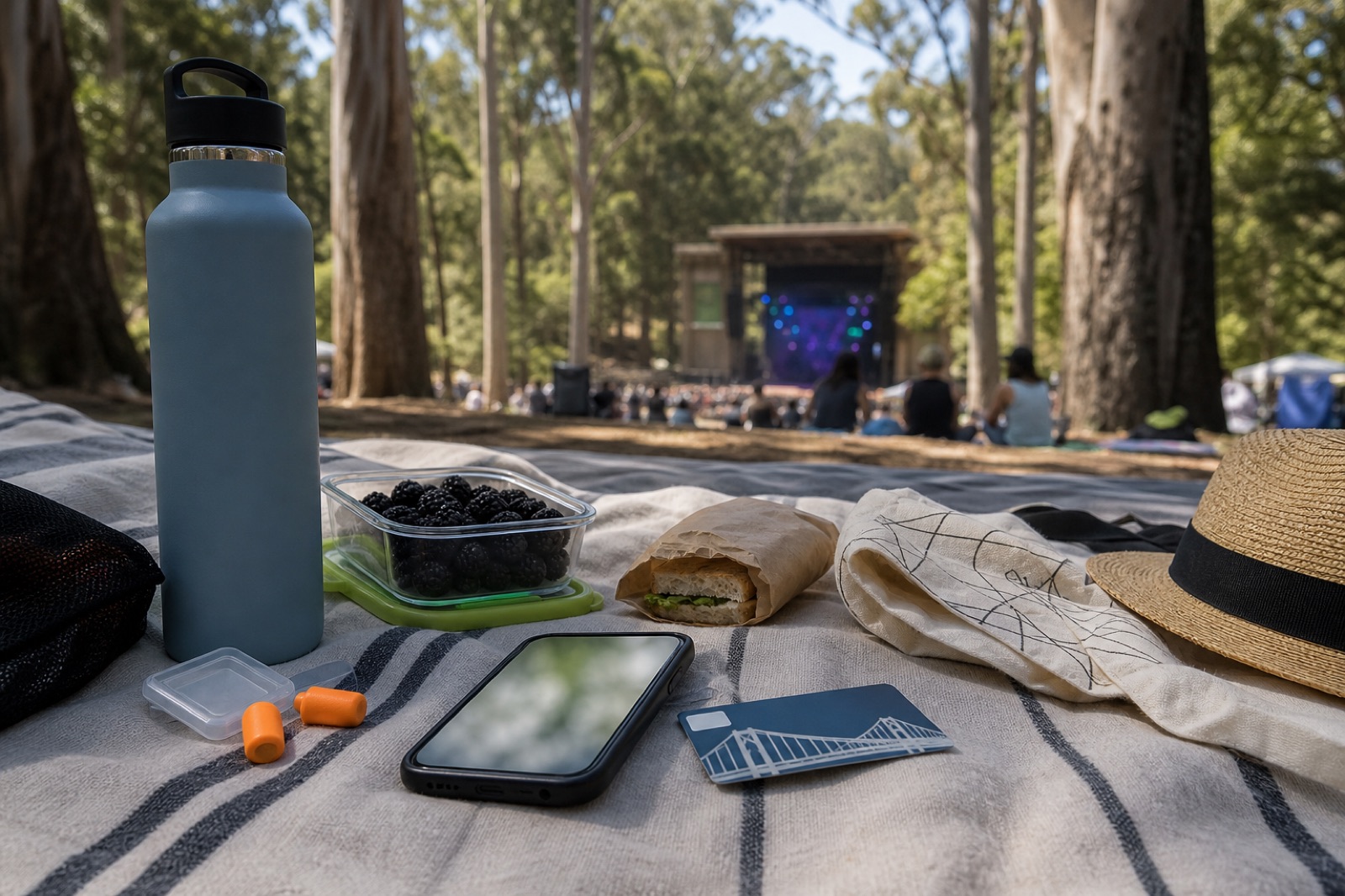
Free does not mean effortless. A Stern Grove day asks fans to solve arrival time, seating, layers, food, water, sun, fog, bathroom patience, and the awkward social math of saving space without becoming a tiny landlord. The official page's doors and show times are useful because public events punish vague planning. Arrive too late and the best hillside spots become memory. Arrive too early without food or layers and the afternoon starts billing your body in small fees. That is why public-space EDM has a different etiquette than a ticketed night show. You share sightlines. You watch volume around people who did not come dressed for war. You pack out trash. You let the day stay welcoming. The rave is not weaker because it has picnic rules. The rules are what let strangers keep dancing near each other. Good planning is part of the music here because a calm crowd gives the sound more room to work.
Why This Is Bigger Than One Booking
Major Lazer at Stern Grove points toward a larger future for EDM in public spaces. Cities want shared events that feel alive, diverse, safe, and culturally current. Dance music can offer that, but only when it adapts to the site instead of pretending every place is a midnight tent. Stern Grove Park forces the music to meet families, city officials, neighbors, transit realities, and the public-service promise of free culture. That does not automatically make the set radical. It makes it accountable. The sound has to justify the invitation. The crowd has to show care for the place. The organizers have to make access feel real. If those pieces align, EDM stops looking like nightlife exported badly into daytime and starts looking like a civic rhythm the city can actually use. The update for other promoters is plain: public spaces need access design, local context, and a sound system that serves the place.
How Fans Should Read The Next Public Rave
Use Stern Grove as a checklist for the next public EDM experiment. Is the event free, low-cost, lottery-based, or premium? Are local artists part of the bill, or is the city only scenery? Does the schedule respect daylight pacing? Are water, shade, transit, accessibility, and rest part of the plan? Can a casual listener understand the invitation without getting flattened by a fan culture that already knows every hand signal? Major Lazer's Stern Grove date works as a useful case because the pieces are visible: free access, official timing, local support, a famous global act, and a park with deep musical memory. Fans should bring curiosity, ear protection, layers, patience, and enough civic manners to keep the dance floor from turning into a conquest. The next official lineup that tries this should be judged by those practical details before anyone declares victory from a flyer.
The Public Groove After The Drop
The lasting image is not a perfect rave fantasy. It is a stranger mix: bass bouncing under trees, a free-festival crowd figuring out how much wildness daylight can hold, public officials nearby, local artists warming the room, and a San Francisco park proving that civic culture does not have to sound sleepy. That is why the Major Lazer Stern Grove moment matters. It suggests that EDM's public-space future will be judged less by volume than by fit. Can the sound respect the place without becoming timid? Can the crowd bring joy without burning trust? Can the city host dance music as living culture rather than novelty programming? If the answer is yes, the daytime rave becomes more than a stunt. It becomes a way for a city to remember it still knows how to move together. That memory is the real headline after the stage powers down and the park has to become a park again.
Quick FAQ
When did Major Lazer play Stern Grove Festival?
Major Lazer's Stern Grove Festival date was Sunday, July 5, 2026, with Doors 12:00pm and Show 2:00pm listed on the official event page.
Who performed with Major Lazer at Stern Grove?
The official bill listed Major Lazer with Fijiana, DJ Bad Juuju, and KALW DJ Patrick King Most.
Why did the Stern Grove Major Lazer show matter for EDM?
It showed how a global dance act can work inside a free civic park setting, testing daylight pacing, local support, public access, and EDM's role beyond clubs and ticketed festivals.