Festival Prep
High-Altitude Cold Nights: The Festival Prep Guide For The Hour After The Bass
A sourced high-altitude cold-night festival guide built from NWS cold safety, CDC hearing protection, Ready.gov kit basics, layers, sleep systems, and 4 a.m. camp decisions.
Direct answer
High-altitude cold-night festival prep is about protecting the hour when sweat dries, wind rises, and a sunny field becomes a cold campsite. National Weather Service Cold Weather Safety warns that extremely cold air and brisk winds can produce dangerous wind chill values, and people exposed to extreme cold are susceptible to frostbite and hypothermia in a matter of minutes. Pack layers, dry socks, warm sleep gear, lights, batteries, food, water, medication, hearing protection, and a route plan before the temperature drops.
Watch this topic
Save the related directory search
Track new events, profiles, and calls matching high altitude cold festival prep. The saved watch resolves against the live directory when you open it.
Article-to-directory guide
Keep moving from the article
Use these focused routes to move from the article into live events, talent, and application calls without starting from scratch.
The Trap Is The Afternoon
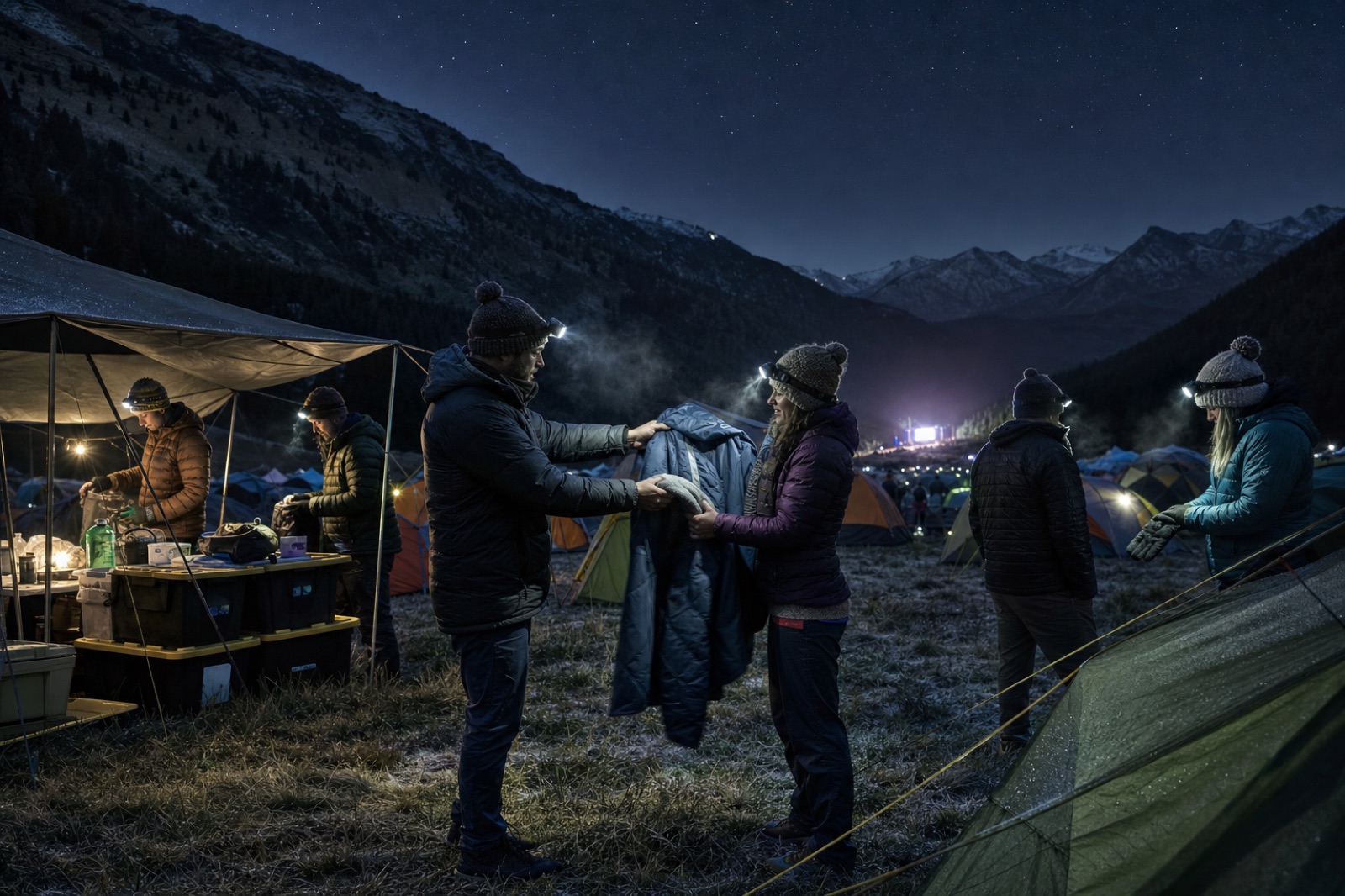
High-altitude cold nights fool festival people because the afternoon can feel friendly. The field is bright, the first set is warm, and someone in camp starts treating sleeves like a personality flaw. Then the sun drops, sweat cools, wind picks up, and the walk back from the stage becomes a small survival seminar with better lasers. National Weather Service Cold Weather Safety says extremely cold air affects millions across the United States, and arctic air can be dangerous. Combined with brisk winds, dangerously cold wind chill values can result. That is the frame for a high-altitude camping festival. Do not pack for the photo at 2 p.m. Pack for the shivering negotiation at 4 a.m. when the tent zipper jams and everyone suddenly respects socks. Cold-night prep is not fear; it is care with a packing list. It is keeping the good part of the weekend from ending because your warm layer is under three costumes, under a cooler lid, or back in the car you cannot reach.
Frostbite Is About Exposed Skin
NWS says people exposed to extreme cold are susceptible to frostbite and that the areas most prone are uncovered skin and extremities such as hands and feet. Translate that into festival packing: gloves, warm socks, a hat, a neck gaiter, and dry footwear matter more than one dramatic coat. The hand that holds a phone for videos still needs warmth. The foot that danced all afternoon still needs dry socks. Bring a dedicated sleep pair that never touches the dusty field. Keep gloves in an outer pocket instead of buried in the tent. If your outfit leaves skin exposed because it looked good at soundcheck, have a real layer ready before the wind arrives. Build a quick check into the group: fingers moving, toes warm, ears covered, wet socks changed. Frostbite planning is not complicated. Cover the parts that lose heat quickly, keep them dry, and stop pretending discomfort is the same thing as commitment.
Hypothermia Starts Quiet
NWS defines hypothermia as what happens when the body loses heat faster than it can produce it. The scary part for festivals is how ordinary the early signs can look: shivering, clumsy decisions, silence, confusion, stubbornness, and the friend who insists they are fine while moving like a buffering video. Cold problems do not need snow to become serious. They need wet clothing, wind, fatigue, alcohol, hunger, and a group too distracted to notice. Build a buddy check into the night walk. Ask simple questions. Watch hands. Watch speech. A good community notices when the funny quiet person has become the worrying quiet person. Get a cold friend into dry layers, shelter, food, and help early. The medical tent is not a failure of festival spirit. It is the place you go before the story becomes worse. Hypothermia prevention is group care with a headlamp.
The Sleep System Is The Real Outfit
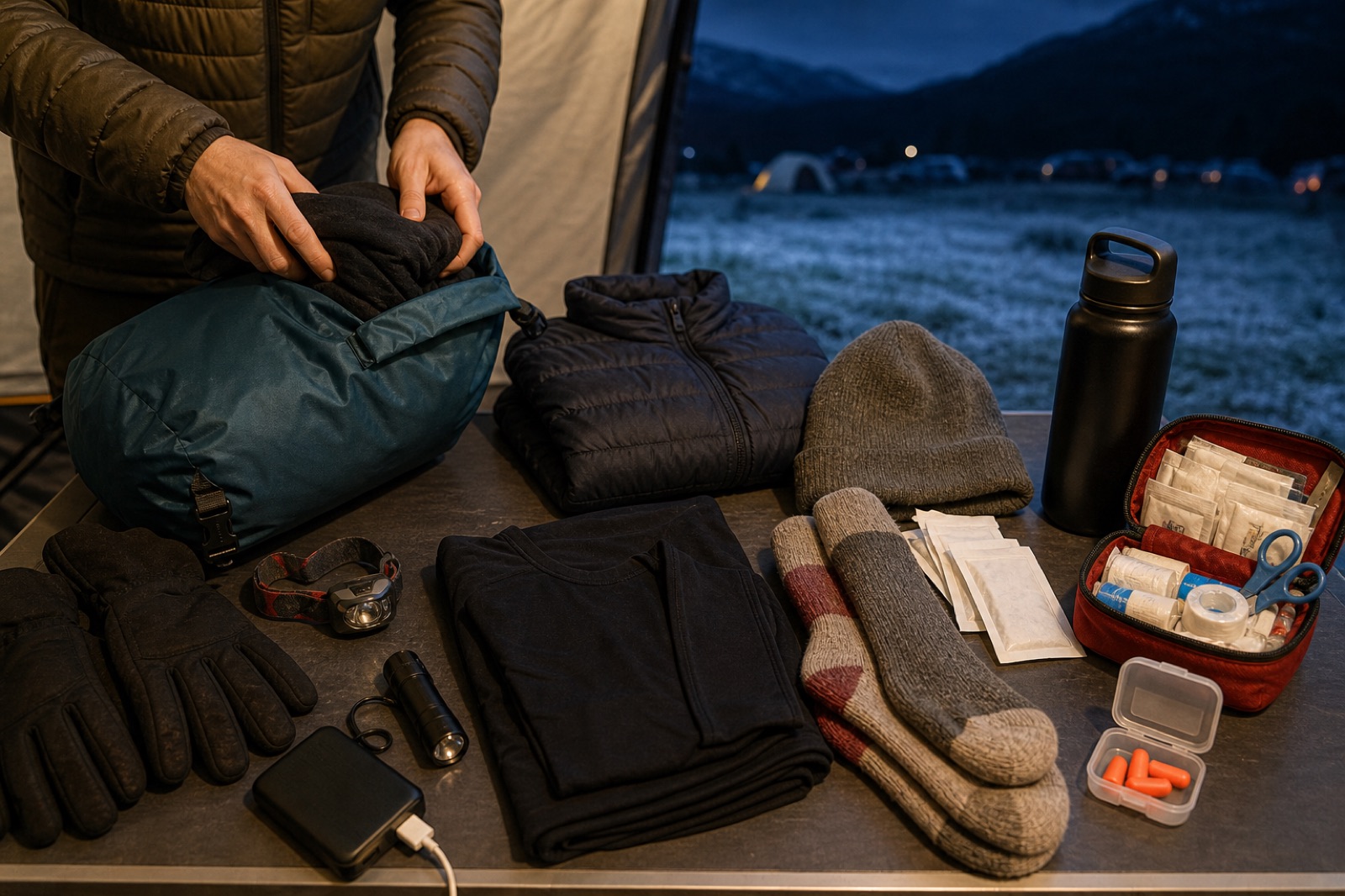
The most important cold-night outfit is the one nobody photographs: base layer, warm socks, hat, sleeping pad, and bag or blanket system that matches the forecast. Ground cold steals heat through the tent floor, so a better sleeping pad can matter more than a thicker hoodie. Keep a dry sleep bag sealed until bedtime. Do not crawl into the bag in damp stage clothes and expect fabric to forgive you. Put tomorrow's socks and base layer in a dry sack. Keep a headlamp where your hand finds it before your mood changes. Share the system with the crew before dark so trust does not depend on someone remembering which black stuff sack mattered. High-altitude nights also make condensation sneaky, so vent the tent enough to reduce dampness without inviting the whole mountain into bed. The goal is simple: wake up because the morning is here, not because cold feet filed an emergency complaint.
Freeze And Frost Change Camp Chores
NWS notes that a freeze occurs when the temperature drops below 32°F and that frost can develop on clear, calm nights even when air temperature is in the mid-30s. Festival campers should hear that as logistics, not trivia. Clear skies can make a beautiful night colder than expected. Damp towels, wet shoes, and exposed water hoses can become miserable by morning. Put shoes under cover. Keep a small towel inside the tent for condensation. Store water where it is findable but less exposed. Check cooler drains, canopy edges, and chair fabric before bed because morning frost turns laziness into wet pants. If the event allows stoves, know the rules before trying to solve breakfast with guesswork. The morning after a cold night is when small camp choices become visible: dry socks feel holy, a working flashlight feels brilliant, and the person who covered the chairs becomes a quiet civic hero.
Hearing Protection Still Matters
Cold does not make loud sound safer. CDC's Preventing Noise-Induced Hearing Loss page, dated Apr. 13, 2026, says preventing loud sounds is key and that if you can't avoid noise, use adequate hearing protection. It also says if you need to shout to be heard, the sound is too loud and may damage hearing, and CDC advises people to take breaks from noise. Cold nights can trick you because you may stand closer to a speaker stack for warmth, crowd density, or wind protection. Bring earplugs and keep a spare pair in the same pocket as gloves. CDC lists insert-type earplugs, earmuffs, and specially made devices as hearing protection options. At a cold festival, ear protection is part of comfort, not an accessory. Your ears need care even when your hands are cold. You are already asking the body to handle temperature stress. Do not make the ears pay the second bill.
Ready.gov Basics Become Camp Basics
Ready.gov emergency kit guidance translates well to a cold camp if you keep it practical: water, food, flashlight, batteries or power bank, first aid, medications, sanitation basics, ID copies, cash backup, and weather alerts. Add cold-specific items: hand warmers, beanie, gloves, dry socks, base layer, emergency blanket, and a sealed bag for wet clothes. Keep the kit visible. Tell the group where it lives. A cold-night problem often happens when everyone is tired and the obvious bin somehow becomes a mythical object. The kit should be boring, reachable, and protected from damp. Put a tiny light on it if needed, and put critical medication somewhere one trusted person can help find. If the weather shifts, use alerts rather than rumors from the loudest campsite prophet. Add one laminated card or phone note with camp address, medical location, shuttle stop, and two offline contacts. Preparedness is not a personality. It is a way to make the night shorter, warmer, and less ridiculous.
The Walk Back Is Part Of The Set
The walk back to camp is where many cold-night mistakes show up. A great set ends, the crowd spills into the road, and everyone discovers that dancing was the heating system. Plan the route before the headliner. Pick a meeting point sheltered from wind if possible. Carry a layer into the venue instead of leaving every warm thing at camp. Eat something before the long walk, especially if the site sits at altitude and the path climbs. Before leaving camp, put the return layer in the same pocket every time and make sure at least two people know where the flashlight is. Do not let the most cold-sensitive person walk alone because the group wants different tacos. Check hands, speech, and pace. Build in one stop to add layers before the exposed stretch, even if everyone claims they are fine. If someone is shivering hard or acting confused, slow the group down and get help. The set is not over until everyone is back in dry layers with water nearby. That is not dramatic. That is competent.
The Morning Test
The morning test is simple. Did the group sleep? Are socks dry? Can people find medication, food, water, and a charged phone? Did the tent stay ventilated enough to avoid soaking everything? Is anyone still cold after getting dressed? Does the first walk to bathrooms require a plan or only grumbling? Good cold-night prep makes the morning boring in the best way. Bad prep turns sunrise into a committee meeting about missing gloves. Pack layers you will actually wear. Keep sleep clothes sacred. Protect hands and feet. Use hearing protection near speakers. Build a small emergency kit. Check the forecast, especially wind. Write down what worked before memory turns the weekend into myth. The best notes are specific: second sock bag, better stakes, more breakfast, earlier layer change, fewer heroic lies about being warm. Then enjoy the festival without treating discomfort as proof that you are fun. High-altitude nights are beautiful because they are sharp. A good plan lets them stay beautiful instead of becoming the villain.
Quick FAQ
What should I pack for high-altitude cold festival nights?
Pack base layers, warm socks, gloves, hat, wind shell, insulated sleep system, dry bag, hand warmers, headlamp, batteries, first aid, medications, food, water, and earplugs.
Why are high-altitude festival nights risky?
Temperature can drop fast after sunset, wind chill can make conditions feel colder, sweat can cool the body, and tired groups may miss early signs of frostbite or hypothermia.
How do I stay warm after late EDM sets?
Change out of damp clothes, add insulation before you feel desperate, cover hands and feet, eat, drink water, walk back with the group, and sleep in dry dedicated layers.